If you’re wondering what to see in Argentina, get ready to discover one of the most diverse countries I’ve ever traveled through.
Stretching from the snow-capped Andes and the glaciers of Patagonia to the lush northern rainforests and the endless Pampas plains, Argentina is a country of contrasts. Every region feels like a completely different destination.
One day you could be sipping world-class wine beneath the Andes, and a few days later you’ll be hiking through ancient forests, watching penguins, or standing in front of one of the most powerful waterfalls on Earth.
Add in vibrant cities, exceptional food, and a fascinating blend of European and Latin American culture, and it’s easy to see why Argentina is such an unforgettable place to explore.
From the cosmopolitan streets of Buenos Aires to the spectacular landscapes of Patagonia, the dramatic Iguazú Falls, the vineyards of Mendoza, and the colorful landscapes of the northwest, there are countless places worth discovering across the country.
The distances can be considerable, but that is also part of what makes traveling through Argentina so rewarding.
In this guide, I’ve put together the 20 best places to visit in Argentina, including the country’s most famous attractions as well as some destinations that are well worth adding to your itinerary.
What to See in Argentina, destinations You Can’t Miss
1. Buenos Aires, the Elegant Capital on the Banks of the Río de la Plata
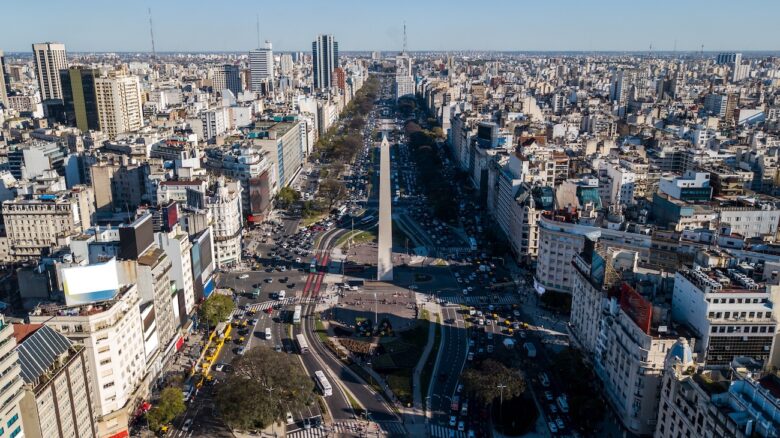
If there’s one city that captures the soul of Argentina, it’s Buenos Aires. Sophisticated yet energetic, the capital effortlessly blends European elegance with the passion and rhythm of Latin American culture.
Overlooking the Río de la Plata, Buenos Aires is one of South America’s great cities. Its grand avenues, beautiful architecture, thriving arts scene, outstanding restaurants, and unmistakable tango heritage make it a destination you’ll want to explore at a leisurely pace.
The best way to experience Buenos Aires is simply by walking. Every neighborhood has its own personality, and you’ll constantly stumble upon historic cafés, legendary bookshops, leafy plazas, street art, and lively squares filled with locals.
Among my favorite neighborhoods is San Telmo, where cobbled streets, antique markets, and spontaneous tango performances create an irresistible atmosphere. La Boca couldn’t be more different, with the colorful houses of Caminito and the unmistakable football passion surrounding La Bombonera.
For a more elegant side of the city, head to Recoleta, where stately buildings, charming cafés, museums, and one of the world’s most famous cemeteries await.
Meanwhile, Palermo is perfect if you’re looking for trendy restaurants, boutique shops, leafy parks, the Japanese Garden, and the beautiful Rose Garden. For modern architecture and waterfront dining, Puerto Madero offers a completely different perspective of the city.
No first visit would be complete without exploring Buenos Aires’ historic center. Highlights include Plaza de Mayo, the iconic Casa Rosada, the Cabildo, and the Metropolitan Cathedral, all of which have played a key role in Argentina’s history.
Other landmarks worth adding to your itinerary include the elegant Avenida de Mayo, the historic Café Tortoni, the famous Obelisk, the striking Palacio Barolo, and the enormous Evita Mural overlooking one of the city’s busiest avenues.
My tip: Don’t underestimate how much there is to see here. I’d recommend spending at least three or four days in Buenos Aires to really appreciate its neighborhoods, culture, and food scene.
If you’re visiting Buenos Aires for the first time, joining a Buenos Aires Highlights Walking Tour is an excellent way to discover the city’s most iconic landmarks while learning about its fascinating history and culture from a local guide.
Lasting around three hours, the tour covers highlights such as Plaza de Mayo, Casa Rosada, the Obelisk, and Recoleta, making it the perfect introduction before exploring the city’s neighborhoods at your own pace.
>>> Buenos Aires Highlights Walking Tour <<<
2. Iguazú Falls, Argentina’s Greatest Natural Wonder
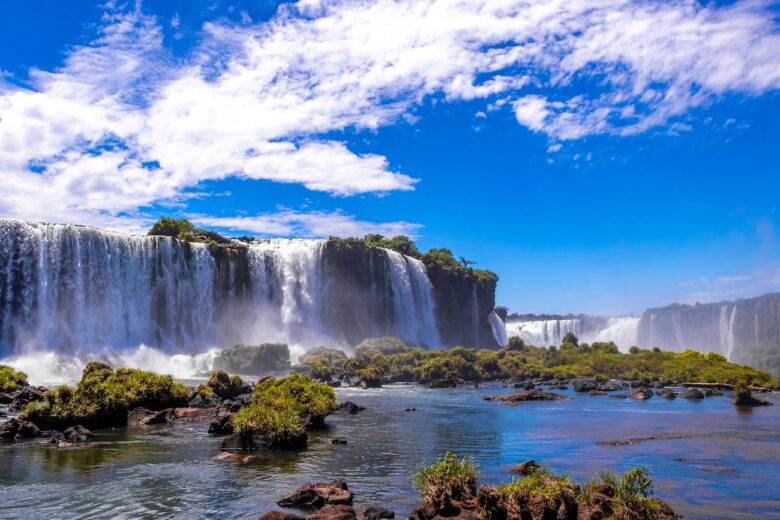
Few places in the world have left me speechless quite like Iguazú Falls. Located in Argentina’s far northeast, near the borders with Brazil and Paraguay, this spectacular waterfall system is one of the most impressive natural wonders you’ll ever see.
Made up of around 275 waterfalls stretching across almost three kilometers, Iguazú is an astonishing display of raw natural power. Surrounded by the lush subtropical rainforest of Misiones Province, it’s as much about the scenery and wildlife as it is about the waterfalls themselves.
Recognized as a UNESCO World Heritage Site and one of the New Seven Natural Wonders of the World, Iguazú deserves every bit of its reputation.
One of the things I loved most is how close you can get to the falls. A network of well-designed walkways takes you right to the edge, offering spectacular viewpoints from different angles without requiring strenuous hiking.
The absolute highlight is Devil’s Throat (Garganta del Diablo). Standing beside this enormous horseshoe-shaped waterfall, watching millions of liters of water plunge over an 80-meter drop while rainbows appear through the mist, is an experience you’ll never forget.
If time allows, I also recommend crossing into Brazil. The Brazilian side offers incredible panoramic views that perfectly complement the close-up perspectives from Argentina.
Keep an eye out for the local wildlife too. Along the trails you’ll often spot coatis, toucans, colorful butterflies, and countless tropical birds hiding among the rainforest vegetation.
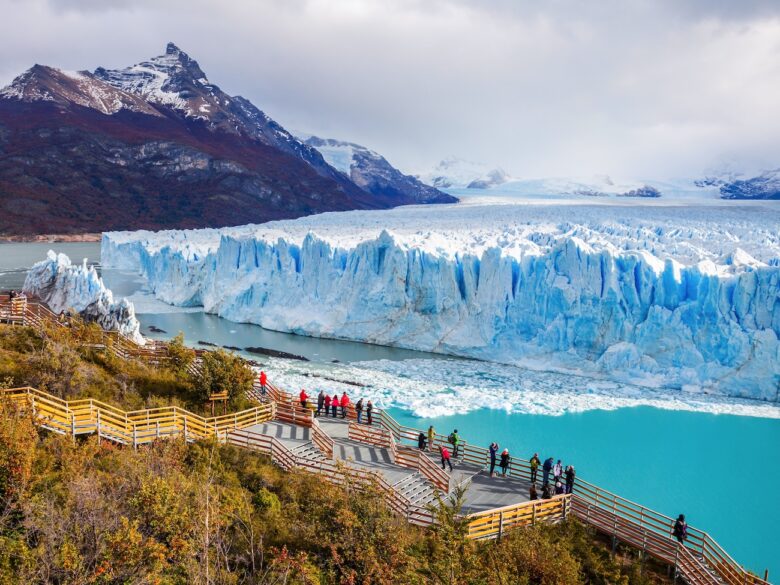
3. Perito Moreno Glacier, Patagonia’s Living Ice Giant
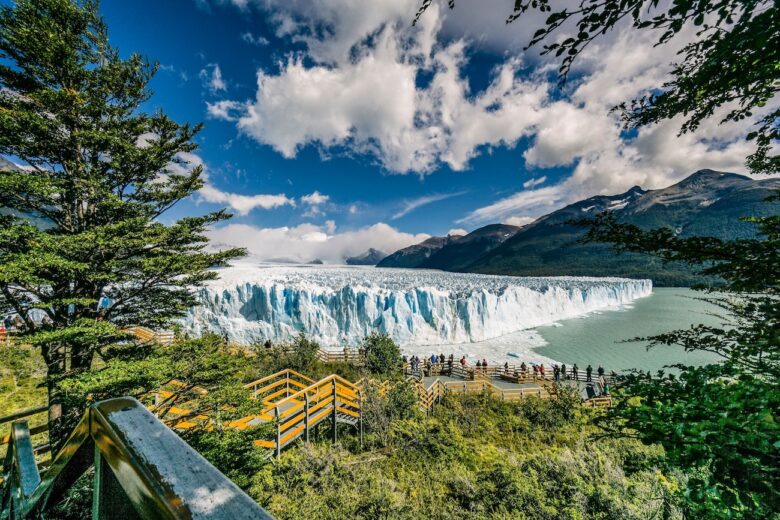
Among all the natural wonders in Argentina, Perito Moreno Glacier is probably the one that impressed me the most.
Located in Los Glaciares National Park, this enormous glacier is one of the very few in the world that continues to advance rather than retreat. That constant movement creates one of Patagonia’s most spectacular natural shows.
As you stand on the viewing platforms, you’ll often hear deep cracks echoing across the valley before enormous blocks of ice collapse into Lake Argentino with a thunderous roar.
The glacier itself is astonishing. Rising more than 60 meters above the lake and stretching almost five kilometers across, it feels almost impossible to comprehend its true scale until you’re standing in front of it.
A series of well-designed boardwalks allows visitors to admire the glacier from several different viewpoints, each offering a completely different perspective.
For an even more memorable experience, consider taking a boat trip along the glacier’s towering ice walls or joining a guided glacier trek, where you’ll walk across brilliant blue ice, weaving between crevasses, frozen streams, and natural ice formations.
The nearby town of El Calafate is the perfect base for visiting Perito Moreno. While you’re there, it’s also worth exploring other spectacular glaciers such as Upsala and Spegazzini, surrounded by turquoise lakes, snow-covered mountains, and some of Patagonia’s most breathtaking scenery.
4. Bariloche, the Gateway to Patagonia’s Lake District
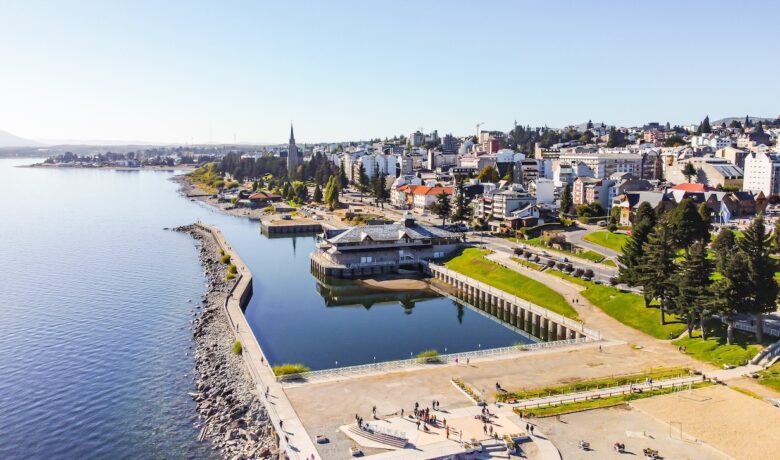
If you’re looking for the perfect combination of mountains, lakes, forests, and outdoor adventures, Bariloche is hard to beat.
Often described as the gateway to Patagonia’s Lake District, this beautiful alpine-style town sits among some of Argentina’s most spectacular scenery, making it one of my favorite destinations in the country.
Despite its wild surroundings, Bariloche offers excellent tourist facilities, making it easy to enjoy everything from scenic drives and hiking trails to kayaking, skiing, and gourmet dining.
The town itself has a distinctly Alpine feel, with wooden buildings, chocolate shops, craft breweries, and cozy cafés lining its streets.
Some of the area’s best viewpoints include Cerro Campanario, widely considered one of the finest panoramic viewpoints in South America, and Cerro Otto, which overlooks the crystal-clear waters of Lake Nahuel Huapi.
One of the best experiences is driving the famous Circuito Chico, a scenic route that passes many of the region’s highlights, including San Eduardo Chapel, the iconic Llao Llao Hotel, Bahía López, Lake Moreno, and Puerto Pañuelo.
If you don’t have your own transportation, joining a guided Circuito Chico & Cerro Campanario tour is a great alternative. It covers many of Bariloche’s most famous landmarks while also including a stop at Cerro Campanario, one of South America’s most spectacular panoramic
From Puerto Pañuelo, boat excursions head across the lake to the enchanting Los Arrayanes Forest and Victoria Island, both located within Nahuel Huapi National Park. You can also visit the charming Colonia Suiza, known for its Swiss-inspired architecture and local food markets.
During winter, Bariloche transforms into Argentina’s premier ski destination, attracting visitors from across South America.
If it’s your first visit, joining a tour of Bariloche is a great way to learn about the city’s history while discovering its beautiful surroundings.
5. Ushuaia, the Gateway to the End of the World
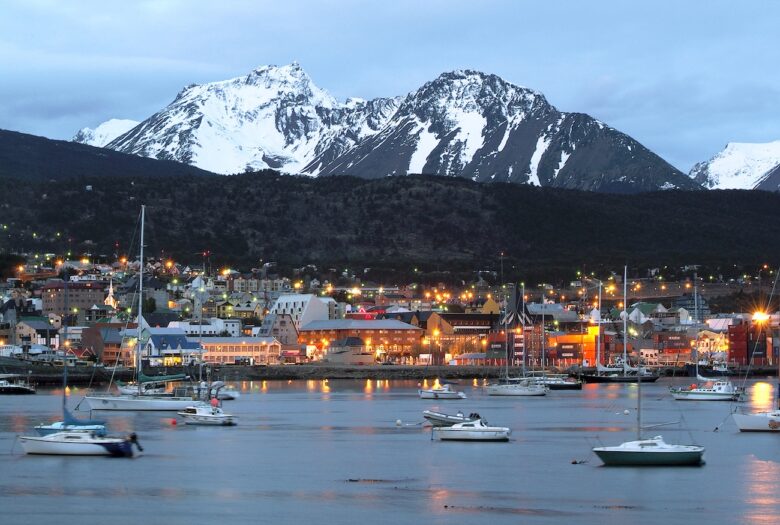
There are few places on Earth that feel as remote and exciting as Ushuaia, the southernmost city in the world.
Perched at the edge of Tierra del Fuego, Ushuaia is surrounded by snow-capped mountains, subantarctic forests, and the icy waters of the Beagle Channel, creating landscapes unlike anywhere else in Argentina.
One of the highlights is Tierra del Fuego National Park, the only national park in Argentina where the mountains meet the sea. Its scenic trails lead through forests, peat bogs, lakes, and beautiful bays such as Lapataia Bay.
Another unforgettable experience is riding the legendary End of the World Train, which follows the historic railway once used by prisoners through some of the region’s most spectacular scenery.
I also highly recommend taking a Beagle Channel cruise. Along the way you’ll have the chance to spot sea lions, cormorants, and the famous Les Éclaireurs Lighthouse, one of Patagonia’s most photographed landmarks.
Nature lovers shouldn’t miss Martillo Island, home to one of the area’s best-known penguin colonies, or hikes to beautiful places like Emerald Lagoon and Martial Glacier.
Back in town, attractions such as the Maritime and Prison Museum offer fascinating insight into Ushuaia’s remarkable history. For many travelers, the city is also the starting point for the adventure of a lifetime: an expedition to Antarctica.
6. Mendoza, Argentina’s Wine Capital
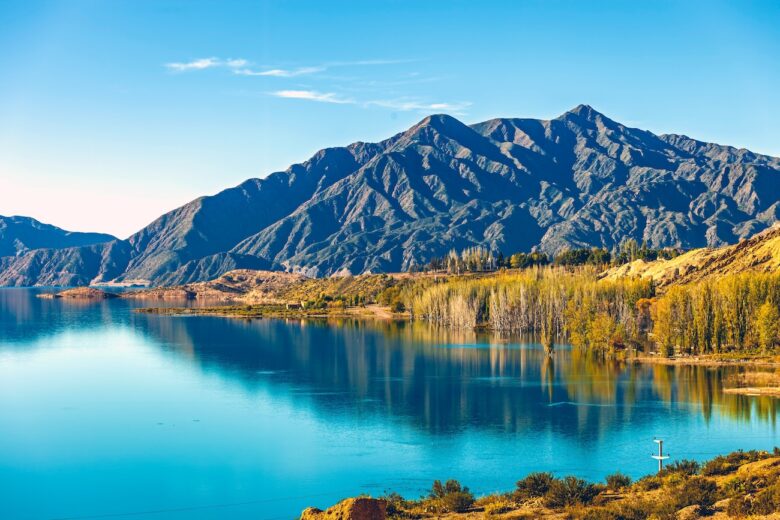
If you love great food, spectacular scenery, and exceptional wine, Mendoza is a destination you simply can’t miss. Sitting at the foot of the Andes Mountains, it’s the undisputed heart of Argentina’s wine country and one of my favorite places to slow down and enjoy the country’s incredible lifestyle.
The city itself has a relaxed atmosphere, with tree-lined avenues, leafy plazas, and charming streets crossed by the traditional irrigation channels that have defined Mendoza for centuries. It’s also the perfect base for exploring Argentina’s famous Wine Route.
The region is home to world-renowned wine areas such as Luján de Cuyo, Maipú, and the beautiful Uco Valley, where Argentina’s signature Malbec wines are produced. Even if you’re not a wine expert, it’s hard not to fall in love with the winery experience here.
Many of the country’s prestigious wineries welcome visitors for tastings, gourmet lunches, and guided tours through beautifully maintained vineyards framed by snow-capped mountains.
What makes Mendoza so special isn’t just the wine it’s the setting. Long vineyard lunches with the Andes as your backdrop are experiences you’ll remember long after your trip.
Beyond wine tourism, the surrounding landscapes are equally spectacular. Scenic drives take you to places like Potrerillos, Uspallata, and the remarkable Puente del Inca, a naturally formed stone bridge surrounded by colorful mineral deposits.
No visit would be complete without seeing Aconcagua, the highest mountain outside the Himalayas, whose towering summit dominates the Andean skyline.
If you’re looking for adventure, Mendoza delivers plenty of that too, with white-water rafting on the Mendoza River, hiking through spectacular Andean valleys, and excursions to the dramatic Atuel Canyon.
7. The Andean Landscapes of “Beautiful Salta”
Salta was an unexpected good surprise. Nicknamed “Salta la Linda” (Beautiful Salta), it combines one of Argentina’s best-preserved colonial centers with some of the country’s most breathtaking Andean scenery.
The city’s elegant historic center revolves around Plaza 9 de Julio, where you’ll find landmarks such as the Historic Cabildo, the Basilica Cathedral, and the outstanding Museum of High Altitude Archaeology (MAAM).
Even if museums aren’t usually your thing, I wouldn’t skip the MAAM. Seeing the incredibly well-preserved Llullaillaco mummies offers a fascinating glimpse into the ancient Inca civilization and is one of Argentina’s most remarkable archaeological discoveries.
Other places worth exploring include the striking Convent of San Francisco, lively local markets, elegant Paseo Güemes, and the tree-lined Belgrano and Bicentenario avenues.
Once you’ve explored the city, venture into the surrounding province.
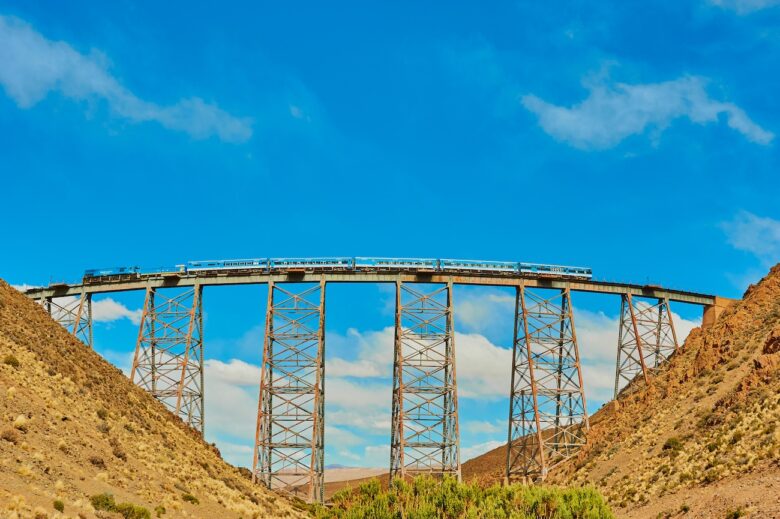
One of Argentina’s most unforgettable experiences is riding the legendary Train to the Clouds, one of the highest railways in the world, climbing to the spectacular La Polvorilla Viaduct at more than 4,200 meters above sea level.
8. Jujuy and Its “Martian” Landscapes
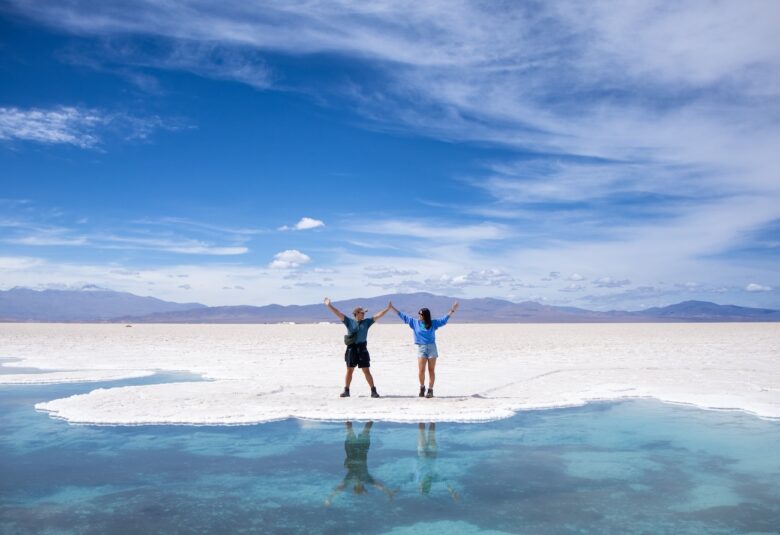
If you think you’ve already seen everything Argentina has to offer, Jujuy will probably change your mind.
This fascinating northern province packs an astonishing variety of landscapes into a relatively small area, from multicolored mountains and high-altitude deserts to fertile valleys and traditional Andean villages where Indigenous culture remains very much alive.
The region’s undisputed highlight is the Quebrada de Humahuaca, a UNESCO World Heritage Site that has served as an important trade and cultural route for thousands of years. Driving through this valley feels like traveling across another planet.
The picturesque village of Purmamarca is famous for the spectacular Hill of Seven Colors, whose vividly layered rock formations are among Argentina’s most photographed landscapes. It’s also the gateway to Salinas Grandes, an immense white salt flat sitting more than 3,000 meters above sea level.
Another favorite stop is Tilcara, where lively artisan markets blend with the impressive ruins of the Pucará de Tilcara, one of the country’s most important pre-Hispanic archaeological sites.
Further north, Humahuaca charms visitors with its colonial streets, Plaza 25 de Mayo, and the striking Monument to the Heroes of Independence.
Don’t overlook smaller villages like Maimará, known for the colorful mountain ridge called the Painter’s Palette, or Uquía, the starting point for exploring the surreal red landscapes of Quebrada de las Señoritas, which genuinely resemble the surface of Mars.
9. Sailing Alongside Whales at Península Valdés
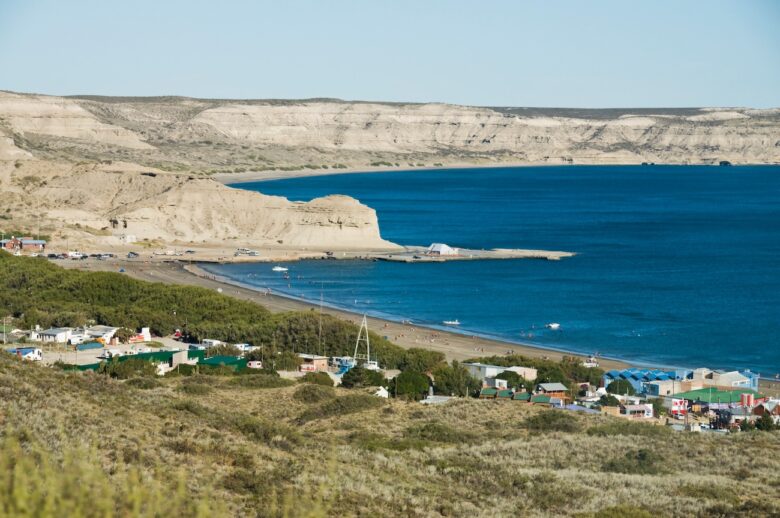
For wildlife lovers, Península Valdés is one of the most extraordinary places to visit in South America.
Located on the coast of Chubut Province, this UNESCO World Heritage Site protects one of the richest marine ecosystems on the planet, where dramatic cliffs, windswept Patagonian steppe, and sheltered bays provide the perfect habitat for an incredible variety of wildlife.
The city of Puerto Madryn makes the ideal base for exploring the peninsula, but the real stars of the show are the animals.
During whale season, boat trips from Puerto Pirámides offer the unforgettable opportunity to watch southern right whales from incredibly close range. Seeing these enormous mammals surface beside your boat is easily one of Patagonia’s most memorable experiences.
If you’d rather stay on land, El Doradillo Beach is one of the few places in the world where whales regularly swim close enough to shore to be seen without boarding a boat.
The peninsula is also home to impressive colonies of elephant seals and sea lions, which can often be seen lounging along the beaches at Punta Norte, Caleta Valdés, Punta Delgada, and Punta Cantor.
Penguin enthusiasts shouldn’t miss Estancia San Lorenzo or nearby Punta Tombo, both home to enormous colonies of Magellanic penguins.
Away from the coastline, it’s common to spot guanacos, Patagonian maras, rheas, and foxes wandering freely across the vast open steppe.
10. El Chaltén, Argentina’s Hiking Capital
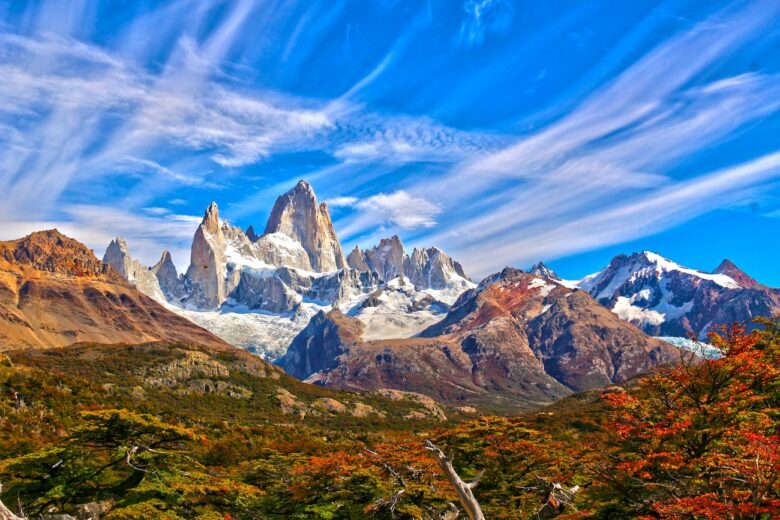
If I had to recommend just one destination for hiking in Argentina, it would be El Chaltén without hesitation.
This small mountain village, tucked away in the northern section of Los Glaciares National Park, has earned its reputation as Argentina’s hiking capital, and it’s easy to understand why.
Unlike many hiking destinations, you don’t need transport to reach the trails. Most of the hikes begin right from the center of town, leading into spectacular landscapes dominated by the dramatic granite peaks of Mount Fitz Roy and Cerro Torre.
Whether you’re looking for a short scenic walk or a full-day mountain adventure, there’s a trail for every level of fitness.
The most famous route is the hike to Laguna de los Tres, a challenging 20 to 25-kilometer trek that finishes beneath the towering walls of Fitz Roy. The final climb is steep, but the view from the top is one of the most rewarding I’ve experienced anywhere in Patagonia.
The trail to Laguna Torre is slightly easier and rewards hikers with stunning views of the Grande Glacier.
If you’re after something less demanding, shorter walks lead to Chorrillo del Salto Waterfall or the Condors and Eagles viewpoints, both offering fantastic panoramic views across the Río de las Vueltas Valley and the surrounding Andes.
11. Mar del Plata and the Atlantic Coast, Argentina’s Favorite Beach Escape
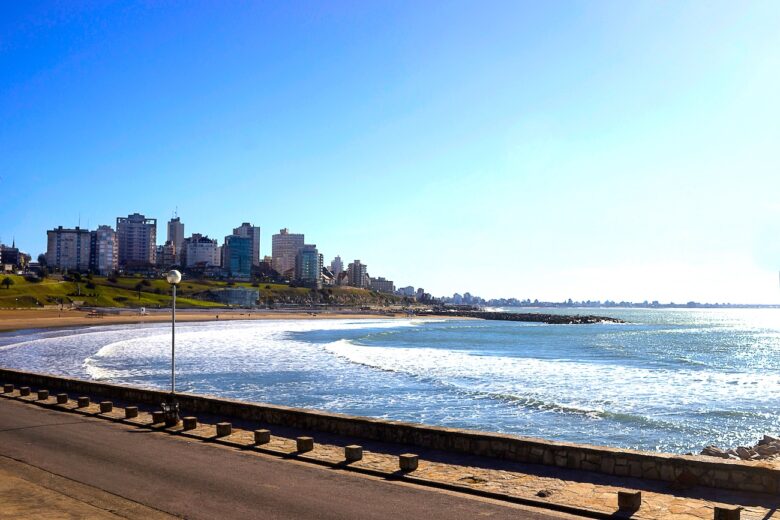
When summer arrives, many Argentinians head straight to Mar del Plata and the Atlantic Coast, the country’s best-known beach destination.
With 47 kilometers of coastline, Mar del Plata offers a beach for every type of traveler, whether you’re looking to surf, relax, or simply soak up the lively seaside atmosphere.
Among the most popular beaches are bustling Bristol Beach, fashionable Playa Grande, family-friendly Punta Mogotes, and the more rugged stretches of Acantilados and Playa Serena, which are especially popular with surfers.
The city isn’t just about the beach, though. It also combines historic architecture with a vibrant modern atmosphere. Landmarks such as the Provincial Hotel, the Central Casino, the castle-like Torreón del Monje, and the monument to poet Alfonsina Storni are all worth seeing.
Seafood lovers will be in heaven here, particularly around the harbor, where you’ll find some of the freshest fish and seafood in Argentina. The city also has an excellent cultural scene, with theaters, festivals, and attractions like the MAR Museum of Contemporary Art.
Beyond Mar del Plata, the Atlantic Coast stretches for hundreds of kilometers. To the north, destinations such as Pinamar, Cariló, and Villa Gesell combine sandy beaches, pine forests, and a lively holiday atmosphere.
Further south, Miramar and Necochea offer a quieter alternative, with wide sandy beaches, peaceful surroundings, and a much more relaxed pacen perfect if you’re looking to escape the crowds.
12. Villa La Angostura, the “Garden of Patagonia”
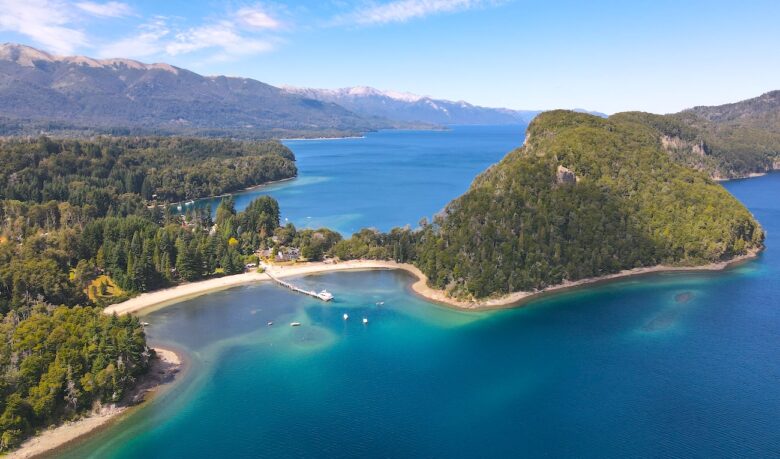
If you’re looking for the kind of mountain town where you immediately want to slow down and stay a little longer, Villa La Angostura is the place. Nestled between Lake Nahuel Huapi and the Andean forests, this peaceful village is one of Patagonia’s true hidden gems.
Often called the “Garden of Patagonia,” it’s easy to understand why: beautiful gardens, wooden lodges, crystal-clear lakes, and towering forests create an atmosphere that’s both elegant and wonderfully relaxed.
Villa La Angostura is also the classic starting point for the legendary Route of the Seven Lakes, one of the most scenic road trips in South America. The drive to San Martín de los Andes winds through spectacular mountain scenery, passing a chain of turquoise lakes that seem almost too beautiful to be real.
One of the area’s greatest treasures is Los Arrayanes National Park, home to a unique forest of rare cinnamon-colored arrayán trees. You can explore the park on foot along scenic trails or arrive by boat across Lake Nahuel Huapi, which makes the experience even more memorable.
Boat trips also depart from the village’s small harbor, offering a fantastic way to appreciate the beauty of Lake Nahuel Huapi from the water.
If you enjoy hiking, there are plenty of rewarding trails nearby. The walk to Inacayal Waterfall is an easy favorite, while Belvedere Viewpoint offers panoramic views that are well worth the climb.
During the warmer months, the crystal-clear waters of Bahía Mansa and Bahía Brava are perfect for swimming, kayaking, or simply relaxing by the shore. In winter, nearby Cerro Bayo transforms into one of Patagonia’s best ski resorts, attracting skiers and snowboarders from across Argentina.
13. Cordoba, Colonial Heritage and the Green Valleys of the Sierras
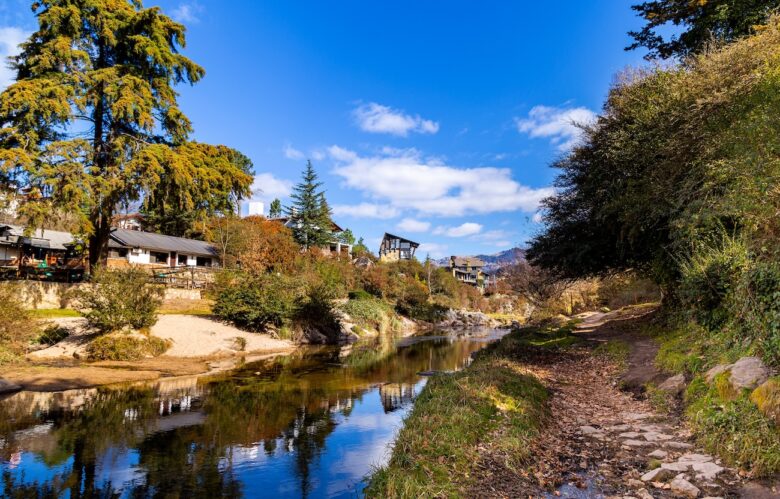
Often overlooked by international visitors, Cordoba turned out to be one of Argentina’s biggest surprises for me. As the country’s second-largest city, it combines a youthful atmosphere, thanks to its large student population, with an impressive colonial heritage.
The city’s standout attraction is the Jesuit Block, a UNESCO World Heritage Site that preserves churches, university buildings, and centuries of fascinating history. Together with Cordoba’s museums and beautifully preserved colonial architecture, it offers a wonderful introduction to Argentina’s cultural roots.
Outside the city, the landscape changes completely. The Cordoba Sierras are filled with green valleys, gentle hills, and crystal-clear rivers that form natural swimming holes, perfect for cooling off during the hot summer months.
Each valley has its own personality. The Punilla Valley is home to popular destinations such as Villa Carlos Paz, La Cumbre, and Capilla del Monte, where hiking trails, scenic viewpoints, and charming mountain towns invite you to explore at a relaxed pace.
For an even quieter escape, head to the Traslasierra Valley, where villages like Nono and Mina Clavero offer peaceful river beaches and a slower rhythm of life. Further south, Villa General Belgrano and La Cumbrecita feel surprisingly European, with Alpine style architecture surrounded by forests and rolling hills.
One of the highlights of the region is driving the Camino de las Altas Cumbres, a spectacular mountain road with sweeping panoramic views, while the historic Jesuit estancias provide fascinating insight into the area’s colonial past.
No visit would be complete without trying traditional mountain cuisine, especially roast kid goat, locally produced cheeses, homemade sweets, and, if you’re lucky, enjoying a night of Argentine folk music.
14. San Martín de los Andes and the Peaceful Lanín National Park
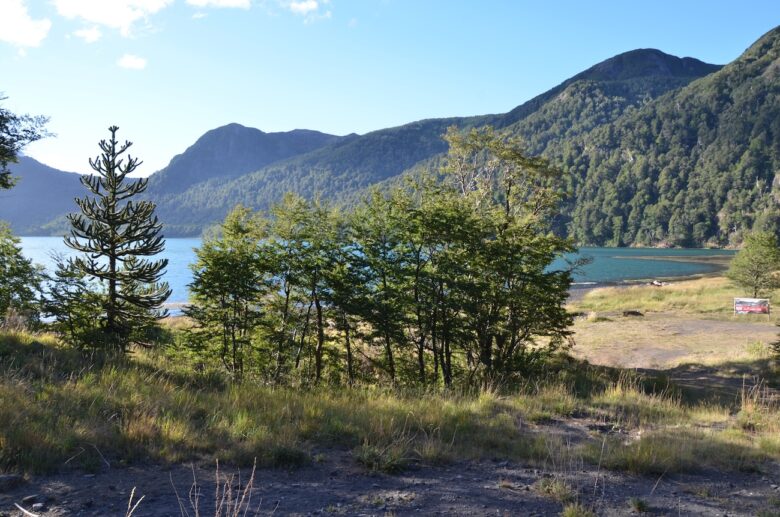
Few places in Patagonia feel as peaceful as San Martín de los Andes. Sitting on the shores of Lake Lácar, beside the spectacular Lanín National Park, this elegant mountain town perfectly balances nature, outdoor adventure, and small-town charm.
Influenced by its Mapuche heritage, the town blends beautifully into its surroundings, with wood and stone architecture, tree lined streets, and an atmosphere that encourages you to slow down and enjoy every moment.
The heart of town is Plaza San Martín, surrounded by cozy cafés, boutique shops, and the interesting Museum of the First Settlers, making it the perfect place to begin exploring.
A stroll along Costanera Avenue rewards visitors with beautiful views across Lake Lácar, while nearby beaches, boat excursions, and hiking trails are all within easy walking distance.
Some of my favorite walks include the trail to Bandurrias Viewpoint, which offers stunning views over the lake, the short hike to the secluded beach known as La Islita, and the scenic Arrayanes Trail, where native cypress forests frame postcard-perfect landscapes.
The surrounding Lanín National Park protects pristine lakes, ancient forests, and the iconic Lanín Volcano, one of Patagonia’s most recognizable peaks.
Just outside town, Cerro Chapelco offers year-round activities. In summer it’s ideal for hiking and mountain biking, while winter transforms it into one of Argentina’s top ski resorts.
15. San Juan and the Valley of the Moon: Landscapes from Another Planet
If you enjoy unusual landscapes, San Juan Province deserves a place high on your Argentina itinerary.
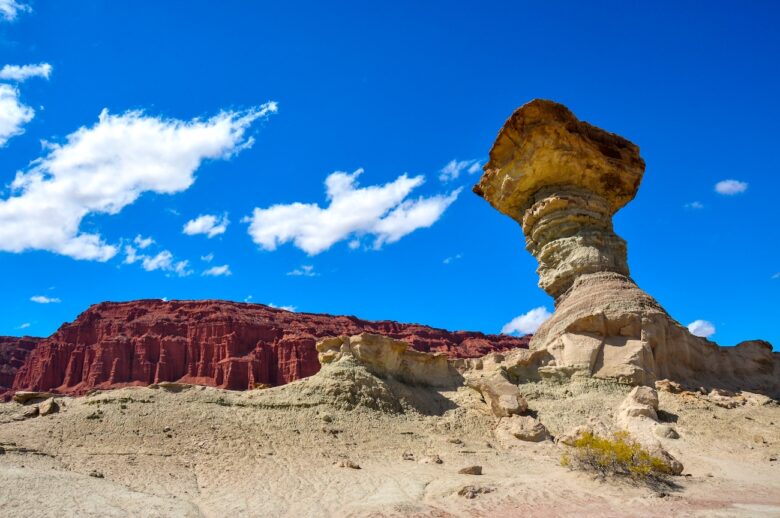
This region is home to some of the most extraordinary geological scenery I’ve seen anywhere in South America. Wind-shaped rock formations, colorful cliffs, and vast desert landscapes create an almost otherworldly landscape that feels more like Mars than Earth.
The undisputed highlight is Ischigualasto Provincial Park, better known as the Valley of the Moon.
This remarkable UNESCO World Heritage Site preserves millions of years of geological history, with fascinating rock formations bearing names such as The Mushroom, The Submarine, The Bowling Field, and the spectacular Painted Valley.
Even if you’re not particularly interested in geology, the scenery alone makes the visit unforgettable.
The nearby city of San Juan, located at the foot of the Andes, offers a pleasant contrast. Modern and welcoming, it combines wide avenues, attractive public spaces, and a rich historical heritage.
Among its highlights are the Birthplace of Domingo Faustino Sarmiento, San Juan Bautista Cathedral, the Franklin Rawson Fine Arts Museum, General San Martín’s historic prison cell, and the renowned Juan Victoria Auditorium.
If you have extra time, continue into neighboring La Rioja Province to visit the spectacular Talampaya National Park, where towering 150-meter-high red cliffs are decorated with ancient petroglyphs, creating one of Argentina’s most impressive desert landscapes.
16. The Endless Horizons of the Pampas and Parque Luro
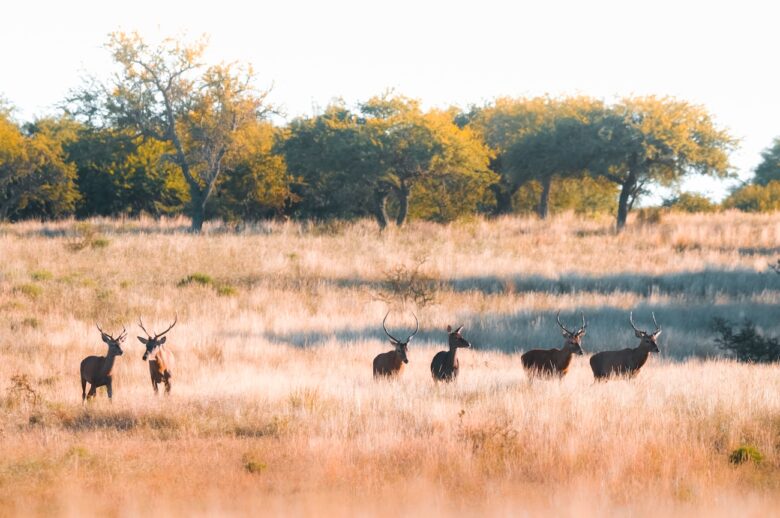
When people imagine Argentina, many picture the endless Pampas, and standing there in person, it’s easy to understand why.
This vast landscape of rolling grasslands, historic ranches, enormous skies, and unforgettable sunsets offers a completely different side of the country. It’s peaceful, authentic, and deeply connected to Argentina’s ranching traditions.
One of the best places to experience this landscape is Parque Luro Provincial Reserve, located just outside Santa Rosa. This protected area is home to guanacos, rheas, foxes, and more than 160 bird species, making it an excellent destination for wildlife lovers.
The reserve is particularly famous for the annual red deer rut, when male deer fill the air with their powerful calls while competing for mates. Witnessing this remarkable wildlife spectacle is one of the region’s most memorable experiences.
Easy walking trails wind through sand dunes, lagoons, native grasslands, and gentle valleys, allowing visitors to fully appreciate the peaceful silence and immense open spaces that make the Pampas so distinctive.
At the heart of the reserve stands El Castillo, the elegant former residence of the influential Luro family. Now a National Historic Monument, the estate has been transformed into a museum where visitors can explore beautifully preserved rooms, horse-drawn carriages, and historic stables.
Beyond Parque Luro, the Pampas offer plenty of opportunities to experience authentic rural tourism, from horseback riding across open countryside and world-class stargazing to enjoying traditional Argentine cuisine centered around premium beef and locally produced specialties.
17. The Extraordinary Biodiversity of the Iberá Wetlands in Corrientes
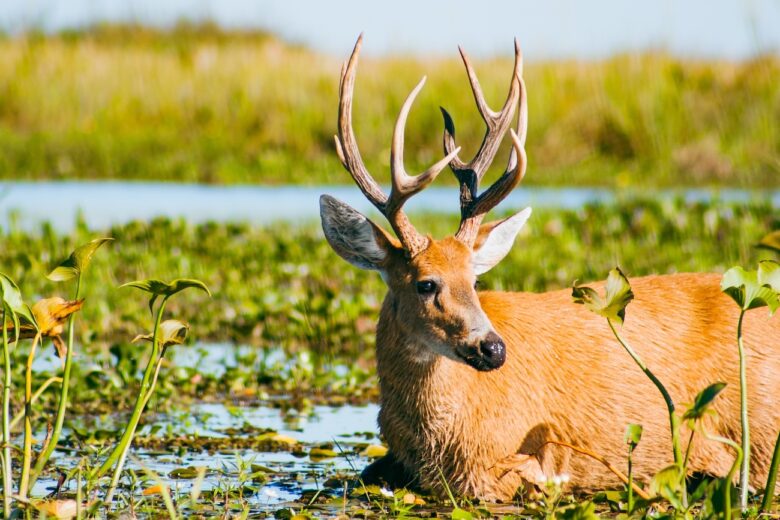
If you’re passionate about wildlife, Iberá Wetlands should be high on your Argentina bucket list. One of the largest freshwater wetlands in South America, this extraordinary ecosystem is a place where nature completely takes over. Water, wildlife, and an incredible sense of peace define every moment you spend here.
The province of Corrientes perfectly blends culture and nature. Its riverside towns, especially Corrientes City, are known for their lively Chamamé music, beautiful promenades along the Paraná River, and delicious freshwater fish dishes that are well worth trying.
The region’s greatest treasure is Iberá National Park, a true wildlife paradise and one of the most biodiverse wetlands on the continent. Whether you’re visiting for birdwatching, photography, or simply to disconnect from the modern world, it’s one of Argentina’s most rewarding natural destinations.
Wildlife encounters here are almost guaranteed. You’ll spot caimans basking in the sun, capybaras grazing peacefully beside the lagoons, marsh deer wandering through the tall grasses, and more than 350 bird species, making Iberá one of the country’s top birdwatching destinations.
One of my favorite experiences is exploring the wetlands by boat. Quiet excursions glide through lagoons and marshes where wildlife often comes surprisingly close.
You can also join photographic safaris or go horseback riding across the wetlands, both offering unforgettable opportunities to experience this protected ecosystem from a different perspective.
The most popular gateways to the park are Colonia Carlos Pellegrini, San Miguel, Concepción, Cambyretá, and Ituzaingó, all offering accommodation, guided excursions, and excellent access to the park’s most spectacular areas.
18. Rosario, the City of the Paraná River
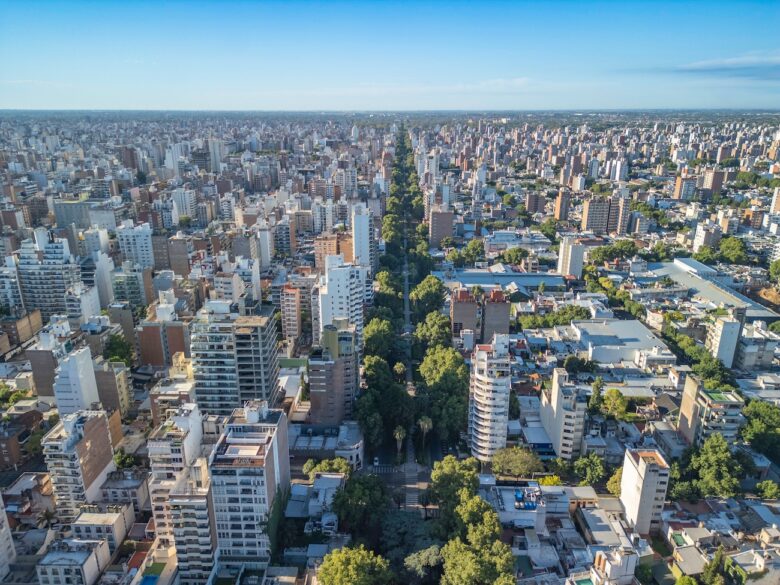
Often overlooked by international travelers, Rosario turned out to be one of Argentina’s most enjoyable cities for me. Sitting on the banks of the majestic Paraná River, it has a relaxed atmosphere, attractive architecture, and a food scene that just keeps getting better.
The city’s unmistakable symbol is the National Flag Memorial, one of Argentina’s most important monuments. Climb its observation tower for spectacular panoramic views over the Paraná River and Rosario’s historic center before wandering through the surrounding National Flag Park, where sculptures, gardens, and weekend markets create a lively local atmosphere.
One of the best ways to experience Rosario is simply by strolling or cycling along its beautiful waterfront promenade. Along the way you’ll pass parks, cafés, and urban beaches like La Florida, which becomes especially popular during the warmer months.
From the waterfront, boats cross to the Paraná Delta islands, a peaceful world of rivers, walking trails, rustic restaurants, and quiet sandy beaches that feels surprisingly remote considering how close it is to the city.
Rosario also has a thriving cultural scene. Art lovers shouldn’t miss MACRO, one of Argentina’s leading contemporary art museums, while the magnificent El Círculo Theatre impresses visitors with both its architecture and exceptional acoustics.
The Paraná Aquarium is another worthwhile stop, especially if you’re interested in the river’s remarkable biodiversity.
When evening arrives, head to Pichincha, the city’s liveliest neighborhood. Former railway buildings have been transformed into trendy bars, craft breweries, and excellent restaurants, making it one of the best places to experience Rosario’s nightlife.
19. El Bolsón, Argentina’s Artisan Heart
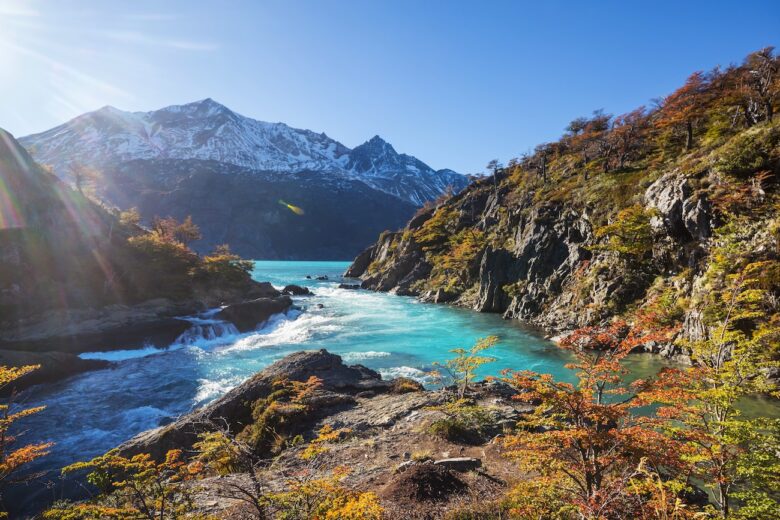
Tucked away in the Andean Region of the 42nd Parallel, El Bolsón feels completely different from anywhere else in Patagonia. With its laid-back atmosphere, artistic community, and stunning mountain scenery, it’s the kind of place where many visitors end up staying longer than planned.
The town revolves around Plaza Pagano, home to the famous Artisan Market, widely considered one of the finest in Argentina. It’s the perfect place to browse handmade ceramics, woven textiles, locally produced jams, organic products, and excellent craft beers while chatting with the artisans who create them.
Nature is never far away here. Several easy hiking trails begin just minutes from the town center, leading to viewpoints such as Cabeza del Indio and El Azul, where sweeping views stretch across the river valley and the surrounding Andes.
If you’re up for a longer adventure, don’t miss Cajón Azul, one of the region’s most spectacular hikes. Here, the brilliant turquoise waters of the Azul River flow through a dramatic canyon enclosed by towering rock walls more than 40 meters high.
Other highlights include the natural pools of El Paraíso and Cerro Piltriquitrón, where you’ll find the enchanting Bosque Tallado (Sculptured Forest) an open air gallery of wooden sculptures carved directly into fallen tree trunks, all set against breathtaking mountain panoramas.
The surrounding Andean Region offers even more incredible places to explore, including Lago Puelo National Park, the crystal clear waters of Lake Epuyén, Puerto Patriada, and the fascinating Patagonia Labyrinth, making El Bolsón an excellent base for several days of adventure.
20. Tigre and the Waterways of the Paraná Delta
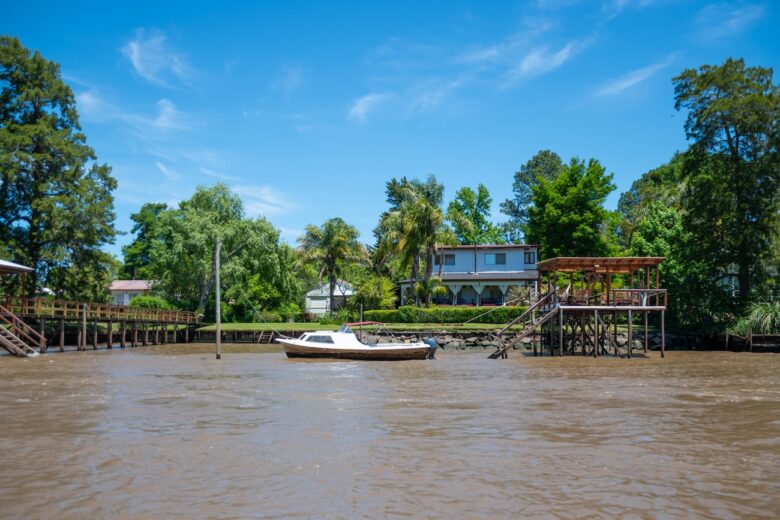
Just an hour from Buenos Aires, Tigre feels like stepping into a completely different world. Instead of busy avenues and traffic, you’ll find a peaceful maze of rivers, canals, wooden docks, and lush vegetation stretching across the Paraná Delta.
It’s no surprise that Tigre has long been one of the favorite weekend escapes for locals. If you need a break from the energy of Buenos Aires, this is the perfect place to slow down and enjoy life at the rhythm of the water.
The best way to experience the delta is by getting out on the water. Whether you choose a traditional public riverboat, a catamaran cruise, or a kayak, you’ll glide past charming island homes, weathered wooden piers, floating gardens, and an abundance of wildlife that thrives throughout the delta.
Back on shore, take time to stroll along Paseo Victorica, an elegant riverside boulevard lined with rowing clubs, cafés, and excellent restaurants overlooking the Luján River. It’s also home to the beautiful Tigre Art Museum, one of the town’s architectural highlights.
Just a few minutes away, Puerto de Frutos remains one of Tigre’s classic attractions. Once a traditional fruit market, it’s now a lively shopping area where you can browse handicrafts, home décor, regional foods, and unique souvenirs.
Beyond its natural beauty, Tigre offers plenty of entertainment as well. You can visit the Naval Museum, spend the day at Parque de la Costa, Argentina’s largest amusement park, or try your luck at the Trilenium Casino.