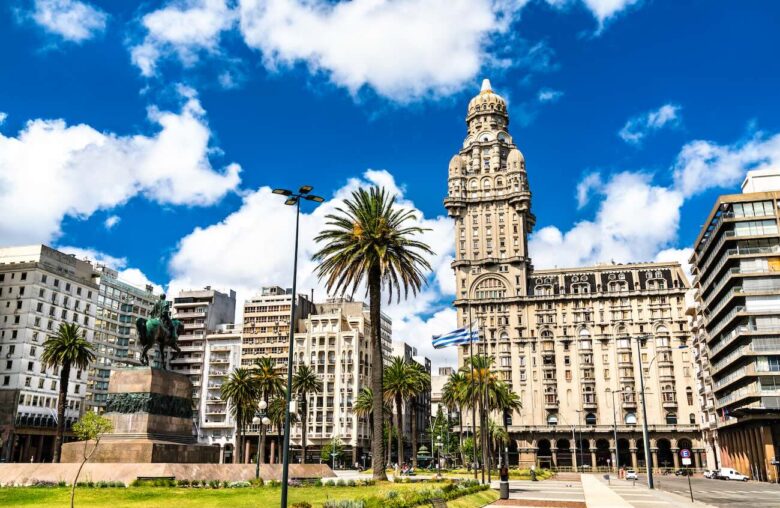
Montevideo is one of those cities that quietly wins you over. It may not have the instant fame of Buenos Aires or Rio, but after spending time there, I completely understood why so many travelers end up falling in love with Uruguay’s laid-back capital.
Between its long waterfront rambla, relaxed café culture, beautiful beaches, historic neighborhoods, and some of the friendliest people in South America, Montevideo feels incredibly easy to enjoy.
Choosing where to stay in Montevideo can really shape your experience. The city is relatively compact, but each neighborhood has its own personality.
Some areas are perfect if you want nightlife and restaurants, others are better for beaches and relaxed walks by the water, while some are ideal for sightseeing and local history.
The most popular areas to stay in Montevideo are Centro, Ciudad Vieja, Pocitos, Carrasco, and Malvín, although there are several other neighborhoods worth considering depending on your travel style and budget.
Located on the shores of the Río de la Plata, Montevideo has a completely different vibe from other South American capitals. Life moves slowly here.
Locals spend hours drinking mate along the rambla, families gather on the beaches until sunset, and weekends revolve around barbecues, football, and long conversations at cafés.
One of the things I enjoyed most about Montevideo was how livable it feels. The city combines urban life with an almost beach-town atmosphere.
You can spend the morning exploring colonial streets in Ciudad Vieja, have lunch at Mercado del Puerto, relax on Pocitos Beach in the afternoon, and end the day with a steak dinner and wine by the waterfront.
Montevideo’s beaches are another big draw, especially during the summer months. Many are safe for swimming and have lifeguards, while locals fill the sand with football games, volleyball matches, and water sports.
Even if you’re not visiting during beach season, walking or cycling along the rambla is one of the best things to do in the city.
Architecture lovers will also appreciate Montevideo. From the historic buildings of Ciudad Vieja and Centro to the elegant mansions of Carrasco and the eclectic seafront apartment buildings in Pocitos and Buceo, the city has a fascinating architectural mix that reflects its strong European influence.
Where to Stay in Montevideo: Best Areas and Hotels
Getting around is fairly easy too. Montevideo doesn’t have a metro system, but its bus network is reliable and inexpensive. Taxis and ride services are also widely available and generally affordable compared to many other capitals in the region.
Below, I’ll break down the best areas to stay in Montevideo based on my own experience exploring the city. Personally, I especially liked Pocitos, Parque Rodó, and Punta Carretas for their atmosphere, safety, restaurants, and proximity to the waterfront.
1. Ciudad Vieja, the best area for history, culture, and sightseeing
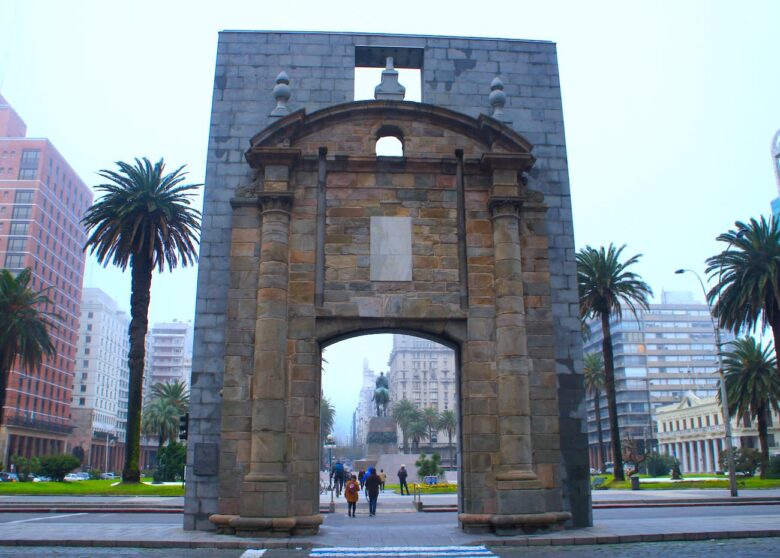
If it’s your first time in Montevideo, I think Ciudad Vieja is one of the most atmospheric places to stay. This is the city’s historic heart, where Montevideo was founded back in 1724.
The neighborhood begins at Plaza Independencia, where you’ll find the iconic Puerta de la Ciudadela, the old gateway that once protected the colonial city. Nearby, you can still see remnants of the original city walls, a small but fascinating reminder of Montevideo’s past.
One of the things I loved most about Ciudad Vieja was simply wandering its streets without a plan. The area is full of historic buildings, elegant facades, old cafés, art galleries, and hidden courtyards.
Some of Montevideo’s most important landmarks are here too, including the Metropolitan Cathedral (Iglesia Matriz), the historic Cabildo building, and the beautiful Solís Theatre, which is worth visiting even if you don’t attend a performance.
Another highlight is the famous Mercado del Puerto, one of my favorite spots in the city. It’s touristy, yes, but still worth visiting for the atmosphere alone.
Inside, you’ll find traditional parrillas grilling enormous cuts of meat, street performers, tango music, candombe drummers, and that slightly bohemian energy that makes Ciudad Vieja feel unique.
There are also several excellent museums nearby, including the Carnival Museum, the MAPI (Museum of Pre-Columbian and Indigenous Art), and the charming Plaza Zabala, one of the prettiest squares in Montevideo.
That said, Ciudad Vieja is a neighborhood of contrasts. During the day, it’s lively and full of people working, sightseeing, shopping, or having lunch at local restaurants. At night, however, some streets become very quiet, and the atmosphere changes noticeably.
From my experience, it’s best to stay near Sarandí Pedestrian Street, Plaza Independencia, or the Rambla, where there’s more movement and a better sense of security after dark. I personally wouldn’t wander too far into the emptier streets late at night.
Overall, Ciudad Vieja is an excellent area to stay in Montevideo if you want history, culture, architecture, and easy access to the city’s main attractions. It’s especially ideal for first-time visitors who want to experience the city’s most historic and character-filled neighborhood.
BEST PLACES TO STAY IN CIUDAD VIEJA
2. Montevideo Centro, convenient, lively, and full of accommodation options
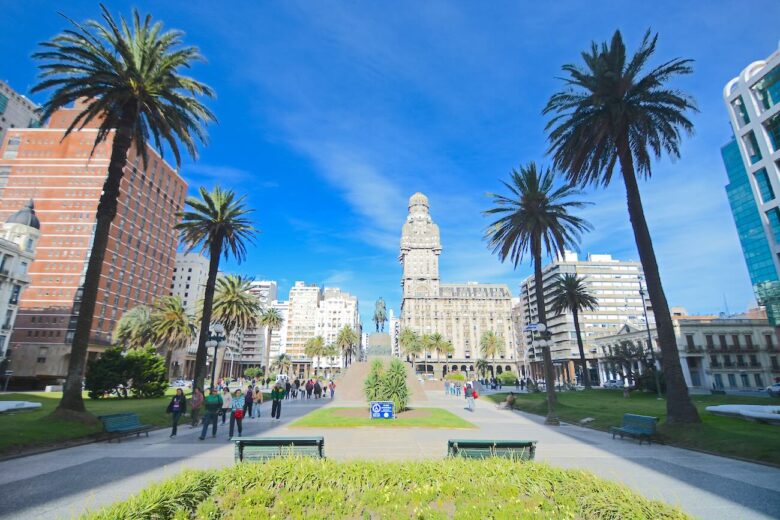
If you want a central location with plenty of hotels, restaurants, shops, and public transportation, Montevideo Centro is one of the most practical places to stay.
The neighborhood revolves around Avenida 18 de Julio, the city’s main avenue and one of the busiest areas in Montevideo.
The atmosphere here feels much more urban and local than in the coastal neighborhoods, with office workers, cafés, bookstores, old cinemas, and historic buildings creating a very authentic city vibe.
The area begins at Plaza Independencia, dominated by the impressive monument to José Artigas, Uruguay’s national hero.
Beneath the square lies the Artigas Mausoleum, and if you happen to be there around 3 p.m., you can watch the Changing of the Guard ceremony, which is surprisingly elegant and worth seeing.
One of Montevideo’s most iconic landmarks, the Palacio Salvo, stands right at the beginning of Avenida 18 de Julio. Its eclectic Art Deco design completely dominates the skyline, and it remains one of the city’s most recognizable buildings.
As you walk along the avenue, you’ll pass many shops, local cafés, historic buildings, galleries, and plazas like Plaza Fabini and Plaza Cagancha. At the far end, the Municipal Government building houses the Mirador Panorámico, where you can enjoy some of the best views over Montevideo.
One thing I really liked about Centro was the convenience. You’re close to almost everything, and getting around the city is very easy from here thanks to the large number of buses passing through the area.
Another major advantage is the huge variety of accommodation options. Whether you’re looking for budget hostels, classic old hotels, modern apartments, or mid-range stays, Centro has something for almost every budget.
While the neighborhood can feel a bit hectic during the day, especially on weekdays, it quiets down considerably at night. Like in most large cities, it’s best to stay aware of your surroundings after dark, particularly on quieter streets.
Overall, I’d recommend Centro to travelers looking for a practical, well-connected base with affordable accommodation and a more local urban atmosphere.
BEST PLACES TO STAY IN MONTEVIDEO CENTRO
3. Tres Cruces, best for budget travelers and transport connections
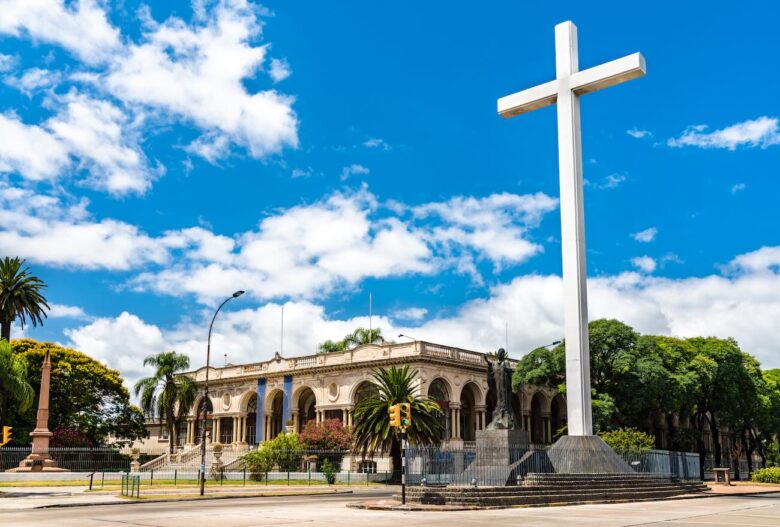
Tres Cruces may not be Montevideo’s prettiest neighborhood, but if you’re looking for convenience, lower accommodation prices, and excellent transport connections, it’s one of the smartest places to stay.
The neighborhood has changed enormously over the years, mainly thanks to the construction of the Tres Cruces Bus Terminal and Shopping Center, which has become one of the city’s main transportation hubs. From here, you can easily travel to other parts of Uruguay or even continue onward to Argentina and Brazil.
One of the biggest advantages of staying in Tres Cruces is its location. Several of Montevideo’s main avenues intersect here, making it very easy to move around the city by bus or taxi. If you’re planning day trips or arriving by long-distance bus, staying nearby can save a lot of time and hassle.
The area itself is mostly residential and commercial, with fewer tourist attractions than neighborhoods like Ciudad Vieja or Pocitos, but there are still a few interesting places to see.
The massive Plaza de la Democracia, also known as Plaza de la Bandera, is home to one of the largest Uruguayan flags in the country. Nearby stands the Obelisk of the Constituyentes of 1830, an important national monument.
You’ll also find monuments dedicated to Pope John Paul II, actor Alberto Candeau, and Fructuoso Rivera, Uruguay’s first president.
In terms of accommodation, Tres Cruces is usually much cheaper than the coastal neighborhoods, making it a good option for backpackers, budget travelers, or anyone planning a longer stay in Montevideo.
Hotels here tend to be basic and more functional, but the neighborhood’s biggest strength is definitely its connectivity. From Tres Cruces, you can quickly reach downtown, the beaches, Pocitos, or even the airport.
Personally, I’d recommend Tres Cruces mainly for travelers who prioritize budget, transportation, and practicality over atmosphere or nightlife.
BEST PLACES TO STAY IN TRES CRUCES
4. Barrio Sur and Palermo, full of character, culture, and local atmosphere
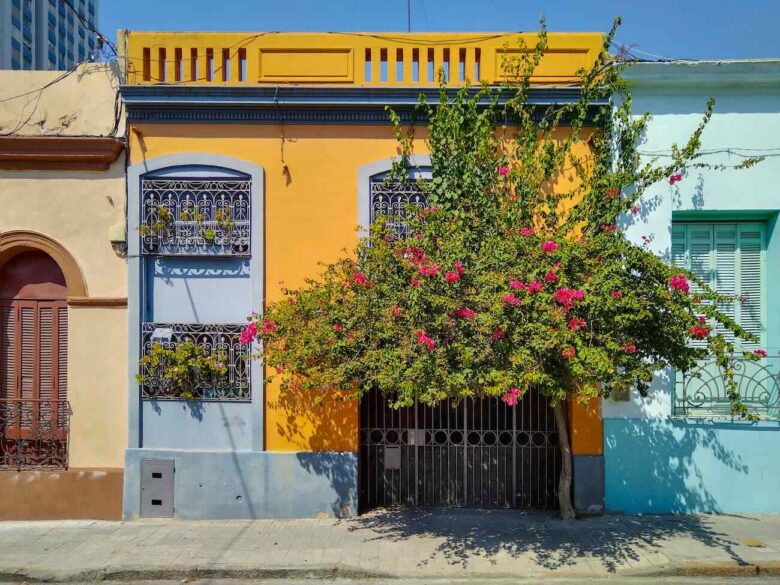
If you want to experience a more authentic and cultural side of Montevideo, I really enjoyed spending time in Barrio Sur and Palermo.
These neighboring districts sit between downtown and the coast, just a short distance from Ciudad Vieja and Parque Rodó, yet they feel much more local and residential.
What makes these neighborhoods special is their atmosphere. Walking around here, you’ll find historic mansions, colorful old houses, tree-lined streets, and a strong Afro-Uruguayan cultural identity that gives the area a personality unlike anywhere else in the city.
Both neighborhoods stretch alongside the Rambla, so you’re never far from the waterfront. I loved coming here in the late afternoon, when locals gather outside with mate while the sun slowly sets over the Río de la Plata.
Staying in Barrio Sur
Barrio Sur is deeply connected to the history of candombe, the traditional Afro-Uruguayan rhythm that defines so much of Montevideo’s cultural identity.
If you visit during Carnival season, you’ll experience the famous Llamadas parade, one of the most important cultural events in Uruguay.
The energy is incredible: drummers filling the streets, dancers in colorful costumes, and entire neighborhoods celebrating late into the night.
Even outside Carnival, you’ll often hear the sound of drums echoing through the streets on weekends, which gives Barrio Sur a very distinctive atmosphere.
One of the things I enjoyed most here was simply wandering around without a plan. The neighborhood has a slightly faded beauty that feels very authentic.
Along the way, you’ll come across brightly painted houses, Plaza España, and the historic English Temple, the first Anglican church in Uruguay.
Music lovers may also want to visit the small monument to Carlos Gardel in Plazoleta Medellín, marking the place connected to his tragic death in a plane crash. Nearby are the remains of Medio Mundo, a historic conventillo that became an important symbol of Afro-Uruguayan culture.
Staying in Palermo
Palermo feels slightly quieter and more residential than Barrio Sur, although it shares much of the same historic charm.
This neighborhood is home to several important buildings, including the Universidad del Trabajo, the US Embassy, and Montevideo’s Central Cemetery, which is surprisingly interesting to visit if you enjoy history, architecture, or famous figures.
Many important Uruguayans are buried here, including writer Mario Benedetti, painter Juan Manuel Blanes, actress China Zorrilla, sculptor José Luis Zorrilla de San Martín, and composer Matos Rodríguez, who wrote the legendary tango La Cumparsita.
When it comes to accommodation, both Palermo and Barrio Sur usually offer better prices than Pocitos or Punta Carretas, making them good choices for travelers on a moderate budget who still want to stay close to downtown and the coast.
That said, these neighborhoods can feel a bit quiet at night, especially on less busy streets. Personally, I’d recommend staying aware after dark and avoiding isolated areas late at night.
Overall, I think Barrio Sur and Palermo are excellent areas for travelers looking for culture, local character, music, and a more authentic Montevideo experience.
BEST PLACES TO STAY IN PALERMO AND BARRIO SUR
- ($) ibis Montevideo Rambla
- ($) Montevideo Hostel
- ($) Sur Hotel
5. Parque Rodó, one of the best areas for families and nightlife
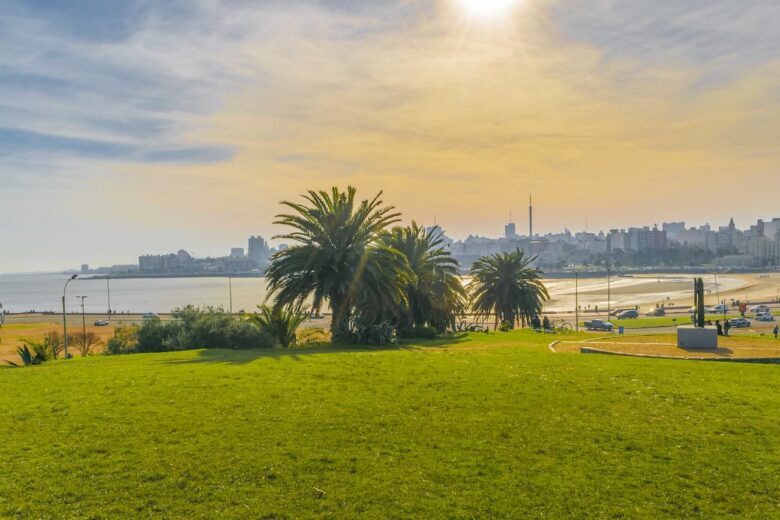
Parque Rodó ended up being one of my favorite neighborhoods in Montevideo. It has a little bit of everything: green spaces, beaches, nightlife, restaurants, and a relaxed local atmosphere that makes it very easy to enjoy.
The neighborhood revolves around the large Parque Rodó park, one of the city’s most popular public spaces. During the day, it’s filled with families, joggers, students, and locals relaxing under the trees.
Inside the park, you’ll find a small amusement area with carousels, bumper cars, mini trains, and rides, giving the neighborhood a nostalgic atmosphere that feels very different from the more modern parts of the city.
Just across the road lies Playa Ramírez, one of Montevideo’s most accessible urban beaches. Nearby are the old quarry area known as the Canteras del Parque Rodó and the famous Summer Theatre, where concerts and Carnival performances are often held.
What I liked most about Parque Rodó was the balance between relaxation and entertainment. During the day, you can walk around the lake, explore hidden corners of the park, or sit at one of the many cafés nearby.
At night, the neighborhood becomes much livelier, especially around the bars and restaurants popular with students and young locals.
Accommodation here is also quite varied. You’ll find hotels, hostels, apartments, and plenty of guesthouses or Airbnb-style rentals, often at more reasonable prices than Pocitos.
Personally, I think Parque Rodó is one of the best areas to stay in Montevideo for travelers who want a mix of local atmosphere, nightlife, green spaces, and proximity to the beach. It’s also a very good option for families thanks to the park and quieter residential streets.
BEST PLACES TO STAY IN MONTEVIDEO IN PARQUE RODO
6. Punta Carretas, stylish, safe, and one of my favorite areas in Montevideo
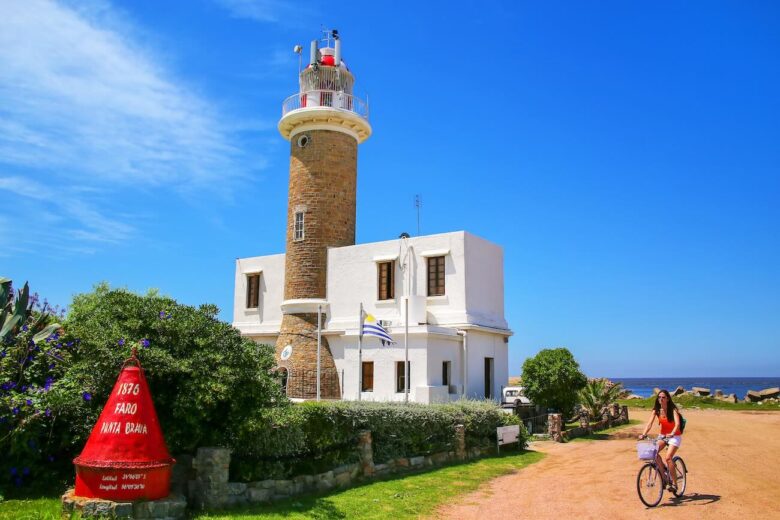
If I had to choose one of the most balanced neighborhoods in Montevideo, Punta Carretas would definitely be near the top of the list. It’s elegant but relaxed, lively without feeling chaotic, and one of the safest and most pleasant areas to stay in the city.
Located between Parque Rodó and Pocitos, Punta Carretas sits along a beautiful stretch of coastline where the Rambla becomes especially scenic.
One of my favorite things to do here was simply walk by the water in the evening while locals jogged, cycled, drank mate, or played football in the parks.
At the rocky tip of the neighborhood stands the Punta Brava Lighthouse, one of Montevideo’s most recognizable coastal landmarks. Nearby, you’ll find La Estacada Beach, a smaller and quieter beach popular with locals.
Punta Carretas also has plenty to see beyond the coastline. The neighborhood is home to the Uruguay Golf Club, a fishermen’s club, and the well-known Punta Carretas Shopping Mall, which was once a prison before being transformed into one of the city’s most upscale shopping centers.
One place I highly recommend visiting is Pittamiglio Castle, one of Montevideo’s strangest and most fascinating buildings. Filled with symbols, hidden meanings, and bizarre architectural details, it feels almost surreal and completely different from anything else in the city.
Literature lovers may also enjoy visiting the birthplace of poet Juan Zorrilla de San Martín, one of Uruguay’s most important writers.
When it comes to accommodation, Punta Carretas has something for almost everyone. You’ll find boutique hotels, modern apartments, international chains, and mid-range accommodations, all within walking distance of restaurants, cafés, shopping areas, and the waterfront.
For me, Punta Carretas is one of the best places to stay in Montevideo because it combines safety, atmosphere, good restaurants, nightlife, and easy access to the Rambla. It’s a neighborhood where it’s very easy to settle in and immediately enjoy the rhythm of the city.
BEST PLACES TO STAY IN PUNTA CARRETAS
7. Pocitos, the most popular area to stay in Montevideo
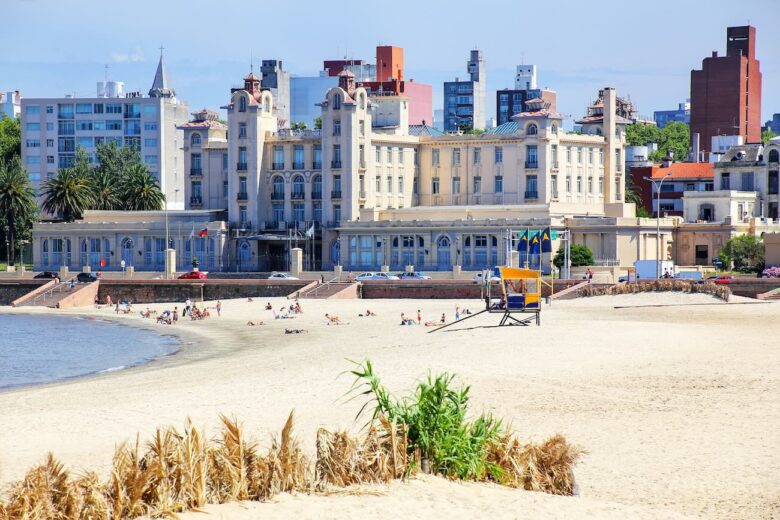
If I had to recommend one neighborhood that perfectly captures the lifestyle of Montevideo, it would probably be Pocitos.
It’s easily one of the city’s most famous and lively areas, and after spending time there, I completely understood why so many travelers choose to stay here.
The neighborhood revolves around the beautiful Pocitos Beach and its long waterfront Rambla, which is always full of life. From early morning joggers to locals drinking mate at sunset, this is one of the best places in the city to experience Montevideo’s relaxed coastal atmosphere.
One of the things I liked most about Pocitos was its energy. The area feels modern, safe, and very walkable, with countless cafés, restaurants, bakeries, bars, and small shops spread throughout the neighborhood.
Architecturally, Pocitos has a very different feel from Ciudad Vieja or Centro. Along the waterfront, you’ll see a mix of modern high-rise buildings, elegant apartment towers, and older residential buildings overlooking the Río de la Plata.
The beach itself is one of the city’s most popular. With its wide stretch of sand, lively atmosphere, and calm urban vibe, it attracts both locals and visitors throughout the year, especially during summer.
Pocitos is also one of Montevideo’s main areas for nightlife and dining. Some of the city’s best parrillas, cocktail bars, pubs, and restaurants are located here, making it an excellent area if you enjoy going out in the evenings without needing taxis or public transport.
Another major advantage is the quality of accommodation. You’ll find everything from modern apartments and boutique hotels to international chains and upscale rentals with sea views.
The only downside is that Pocitos is usually one of the more expensive areas to stay in Montevideo, especially if you want accommodation near the beach or the Rambla. Still, in my opinion, the location, atmosphere, and convenience easily justify the higher prices.
For me, Pocitos is ideal for travelers looking for a combination of beach lifestyle, restaurants, nightlife, safety, and a modern atmosphere.
BEST PLACES TO STAY IN POCITOS
- ($$$) Hotel Montevideo – Leading Hotels of the World
- ($$$) Hyatt Centric Montevideo
- ($$) Regency Way Montevideo Hotel
8. Buceo and Malvín, relaxed beachside neighborhoods with a local feel
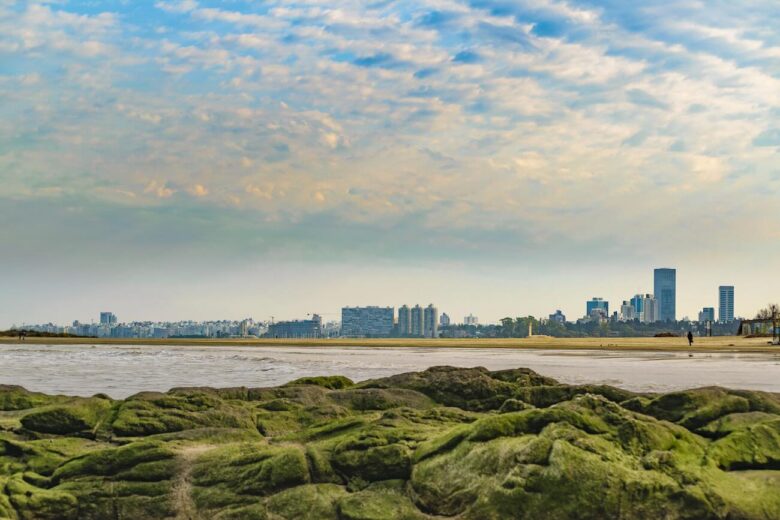
If you prefer staying somewhere a little quieter and more residential while still being close to the coast, I think Buceo and Malvín are excellent choices.
These neighboring districts sit southeast of Pocitos along the Rambla and offer a more relaxed and local atmosphere compared to the busier central neighborhoods.
What I really liked about this part of Montevideo was the balance between city life and calm coastal living. The streets feel quieter, the beaches are less crowded, and there’s a stronger residential vibe that makes everyday life in Montevideo easier to appreciate.
Staying in Buceo
Buceo originally developed as a small seaside resort before gradually becoming part of the expanding city. Today, it’s a mix of residential streets, modern buildings, shopping areas, and waterfront spaces.
One of the nicest spots here is the small Buceo Harbor, which has a much more local and authentic feel than the tourist-heavy areas closer to downtown. Nearby, you’ll also find the elegant Yacht Club Uruguay.
The neighborhood is home to Montevideo Shopping, one of the city’s largest shopping malls, as well as the modern World Trade Center Montevideo complex, which gives this area a more contemporary and business-oriented atmosphere.
Buceo also has plenty of restaurants, bars, and nightlife venues, although things feel noticeably calmer than in Pocitos.
Accommodation prices here are usually more affordable than in the city’s most upscale neighborhoods, making Buceo a very good middle-ground option.
Staying in Malvín
Further east lies Malvín, one of the most pleasant and residential neighborhoods in Montevideo.
This is a much more peaceful, safe, and upscale area, known for its broad tree-lined streets, elegant homes, and relaxed coastal atmosphere. Walking around Malvín feels very different from downtown Montevideo, it almost has the vibe of a quiet seaside town.
The neighborhood is home to two popular beaches: Playa Malvín and Playa Honda, both popular with local families during the warmer months.
One of the things I enjoyed most about Malvín was how calm and residential it felt. There’s a subtle mix of bohemian charm and upper-middle-class elegance that gives the neighborhood a very pleasant atmosphere.
Just offshore lies Isla de las Gaviotas, a small protected nature reserve where dozens of bird species nest throughout the year.
Both Buceo and Malvín offer a good range of accommodation, including apart-hotels, apartments, small hotels, and guesthouses.
Personally, I think these neighborhoods are excellent for travelers looking for a more relaxed, local, and beach-oriented stay away from the busiest tourist areas.
BEST PLACES TO STAY IN BUCEO AND MALVIN
9. Carrasco, Montevideo’s most elegant and exclusive neighborhood
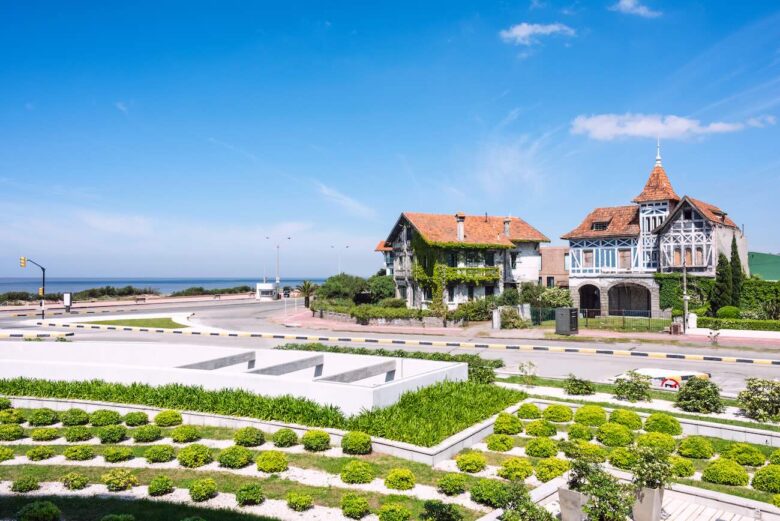
If you’re looking for the most upscale, safe, and elegant area in Montevideo, then Carrasco is hard to beat.
Located near the eastern edge of the city, Carrasco feels completely different from most other neighborhoods in Montevideo. Wide avenues, large mansions, quiet residential streets, and beautifully maintained green spaces give the area an almost European suburban feel.
Originally designed in the early 20th century as a garden neighborhood by renowned French landscape architect Carlos Thays, Carrasco was planned as an exclusive residential district from the very beginning, and it still feels that way today.
Walking around here, you’ll notice how calm and organized everything feels. The neighborhood is filled with luxury homes, elegant villas, embassies, boutique cafés, and upscale restaurants.
One thing I particularly liked about Carrasco was how relaxed it felt despite being one of the wealthiest areas in the city. It never feels overly busy or chaotic.
Carrasco also has excellent services and shopping options. The large Portones Shopping Mall offers everything from fashion stores and cinemas to restaurants and supermarkets, making the neighborhood very convenient for longer stays.
The area is also home to several well-known attractions, including the beautiful Stella Maris Church, the Carrasco Lawn Tennis Club, and the nearby beaches of Carrasco, Miramar, and La Mulata.
Nature lovers will also appreciate the nearby Roosevelt, Rivera, and Lavalleja Parks, which offer large green spaces perfect for walking, exercising, or simply relaxing away from the city center.
Accommodation in Carrasco is generally among the most expensive in Montevideo. Most options here include upscale hotels, apart-hotels, and modern apartments aimed at business travelers, families, and visitors looking for comfort and tranquility.
Personally, I’d recommend Carrasco to travelers who prioritize safety, comfort, quiet surroundings, and a more sophisticated atmosphere over nightlife or proximity to the historic center.
BEST PLACES TO STAY IN CARRASCO
- ($$$) Sofitel Montevideo Casino Carrasco & Spa
- ($$$) Le Bibló
- ($$$) Cottage Carrasco