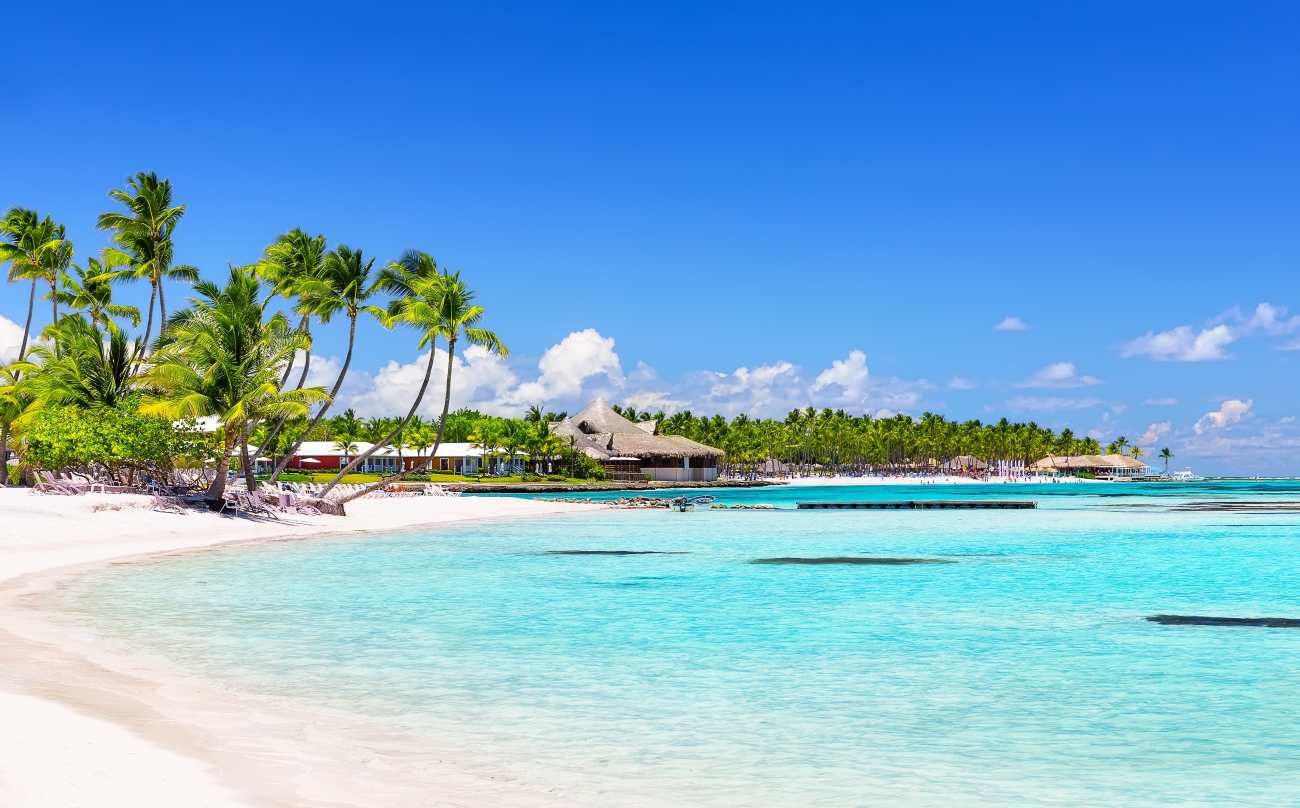
If you’re planning a trip to the Dominican Republic, you’ll quickly realize that this Caribbean nation offers far more than just beautiful beaches.
From breathtaking natural landscapes to fascinating historical sites and vibrant local culture, there is an endless variety of experiences waiting to be discovered.
Year after year, the Dominican Republic wins over travelers with its stunning scenery, idyllic coastline, and diverse range of activities that leave very little room for boredom.
One of the things I love most about the Dominican Republic is how varied each day can be.
One day you might be exploring colonial streets steeped in history, and the next you could be relaxing on a pristine beach, hiking through lush landscapes, or discovering local traditions and cuisine.
From lakes, rivers, cliffs, trails, beaches, museums, parks, and monuments to the rich cultural heritage shaped by the fusion of pre-Columbian roots and European colonial influence, the country offers something for every type of traveler.
Best Things to Do in the Dominican Republic: 35 Must-Do Experiences
1. Discover Santo Domingo with a Free Walking Tour
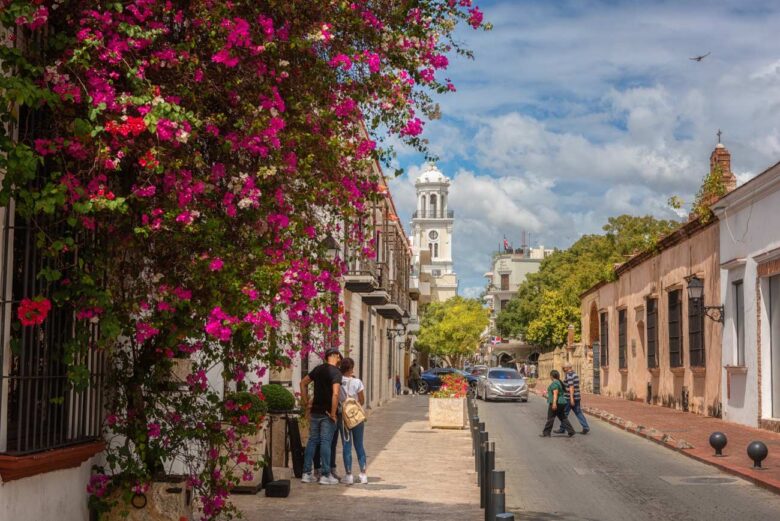
For many travelers, Santo Domingo is an essential stop on any Dominican Republic itinerary, and for good reason.
The country’s capital is home to a remarkable concentration of historical landmarks, cultural attractions, and local experiences that easily justify spending at least one or two days exploring the city.
Known as the first European settlement in the New World, Santo Domingo is home to the Colonial Zone, a district recognized as a UNESCO World Heritage Site in 1990.
Walking through its streets feels like stepping back in time, with beautifully preserved palaces, colonial mansions, churches, and convents that have stood for centuries.
The city is also home to several important monuments and museums that showcase the country’s unique cultural heritage. Highlights include the Alcázar de Colón, the National Pantheon, Colón Park, and the Cathedral of Santa María la Menor, among many others.
Beyond its history, Santo Domingo also offers easy access to the Caribbean Sea. Thanks to its coastal location, visitors can enjoy nearby beaches such as Boca Chica, Caribe, and El Macao, the latter particularly famous for its natural beauty.
Many first-time visitors are pleasantly surprised by how lively and welcoming the city feels. Santo Domingo boasts a vibrant nightlife scene with countless bars, music venues, and entertainment options.
Whether you enjoy electronic music, tropical rhythms, jazz, alternative rock, or traditional Dominican sounds, you’ll find plenty of places to spend the evening.
On weekends, bachata and merengue take center stage, creating an atmosphere that perfectly reflects the country’s infectious energy.
Two of the best places to enjoy a night out are the Colonial Zone and the city’s waterfront promenade, both offering excellent spots for drinks, people-watching, and soaking up the local atmosphere.
If you’d like to learn more about the city before exploring on your own, joining a free walking tour is an excellent introduction. It’s one of the best ways to understand Santo Domingo’s fascinating history while getting your bearings in the Dominican capital.
>>> Free Walking Tour of Santo Domingo’s Colonial Zone <<<
2. Find Out Whether UNESCO Is Right About Its Beaches
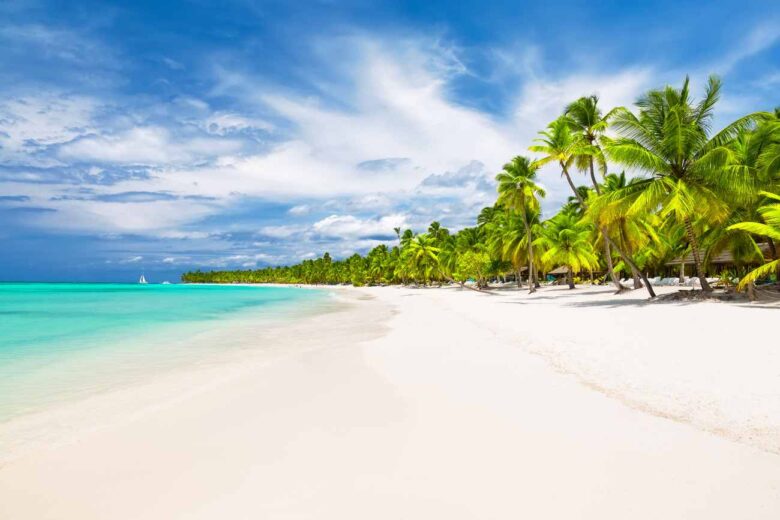
Without a doubt, spending time on the beach ranks at the very top of any list of things to do in the Dominican Republic. After traveling around the country, I can say that few destinations offer such a remarkable variety of coastal landscapes.
Whether you prefer crystal-clear waters, turquoise seas, or anything from calm bays to wave-swept shores, you’ll find a beach that suits your style. The Dominican Republic boasts more than 1,500 kilometers of coastline, home to some of the most beautiful beaches in the world according to UNESCO.
One of the country’s unique geographical advantages is that its coastline is shaped by two very different bodies of water: the Atlantic Ocean to the north and the Caribbean Sea to the south, creating an impressive diversity of beach experiences.
Among the most famous are Punta Cana, Bayahíbe, Bahía de las Águilas, Samaná, Santiago de los Caballeros, Puerto Plata, La Romana, Playa Dorada, Playa Sosúa, Boca Chica, Playa Grande, and Bávaro, to name just a few.
3. Try Something Authentic, Try Mangú
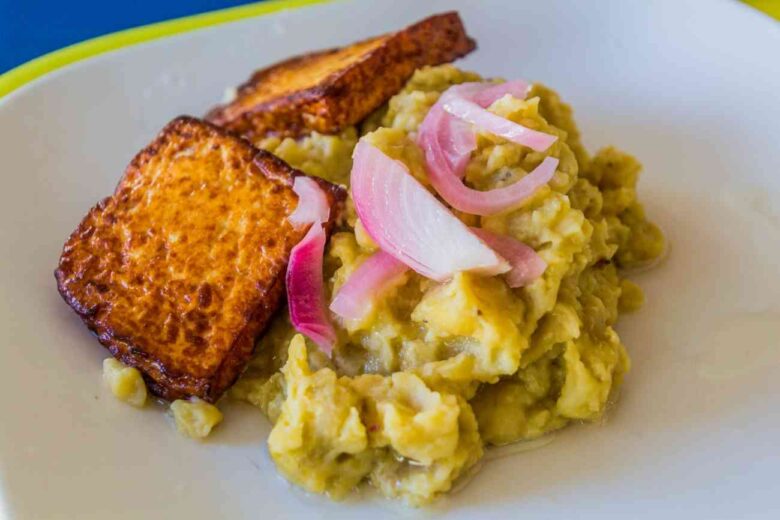
If there’s one dish you shouldn’t leave the Dominican Republic without trying, it’s mangú. This iconic local specialty is unique to the country and forms an important part of Dominican culinary culture.
Mangú is a simple yet delicious dish made from boiled green plantains mashed into a creamy purée. There is also a variation prepared with ripe plantains, offering a slightly sweeter flavor.
Traditionally, it is served with fried white cheese, scrambled eggs with onions, and homemade Dominican salami, creating one of the country’s most beloved comfort meals.
Although it is most commonly eaten for breakfast, generations of Dominican families have also enjoyed it as a dinner dish.
Outside the country, mangú gained international attention after earning a Guinness World Record in New York in 2017, when the world’s largest mangú was prepared, weighing approximately 645 pounds.
Since then, its popularity has continued to grow, and it is now frequently requested by visitors staying in hotels throughout the Dominican Republic.
4. Visit the First Cathedral of the New World
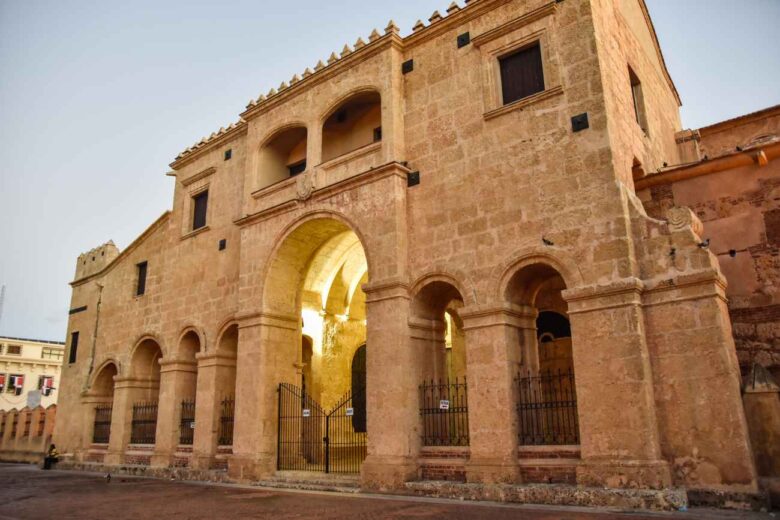
History lovers should not miss a visit to the Cathedral of Santa María la Menor, also known as Santo Domingo Cathedral.
Recognized as the oldest cathedral in Latin America and the first cathedral of the New World, it stands as one of the country’s most important historical and religious landmarks.
Its striking exterior showcases a distinctive Gothic architectural style, while according to the official position of Dominican authorities, the cathedral once housed the remains of Christopher Columbus.
Inside, visitors can admire vaulted ceilings built in stages beginning in the year 1500 using a combination of masonry and brickwork.
The cathedral also preserves valuable colonial treasures, including ornamental pieces, historic altarpieces, and a sacred painting of the Virgin of Altagracia dating from 1523, which continues to attract visitors, worshippers, and tourists alike.
5. Discover the Flavor of Dominican Tostones, A Must-Do in the Dominican Republic
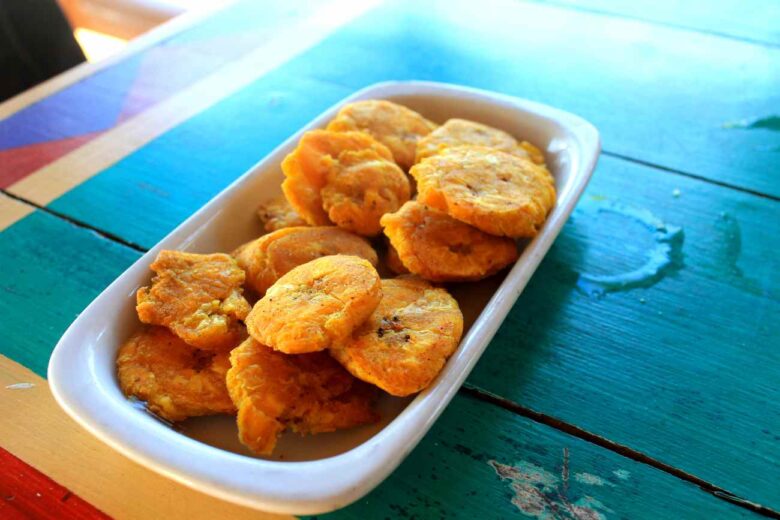
No culinary journey through the Dominican Republic would be complete without tasting tostones. These crispy bites are a staple of Dominican cuisine and can be enjoyed at virtually any time of day, throughout the entire year.
Tostones are made from green plantains that are flattened, seasoned with salt, and fried until golden and crispy.
Their popularity is impossible to miss. As you travel around the country, you’ll quickly notice that Dominicans enjoy tostones everywhere, whether as a side dish, a snack, or part of a larger meal.
6. Be Amazed by the Columbus Lighthouse
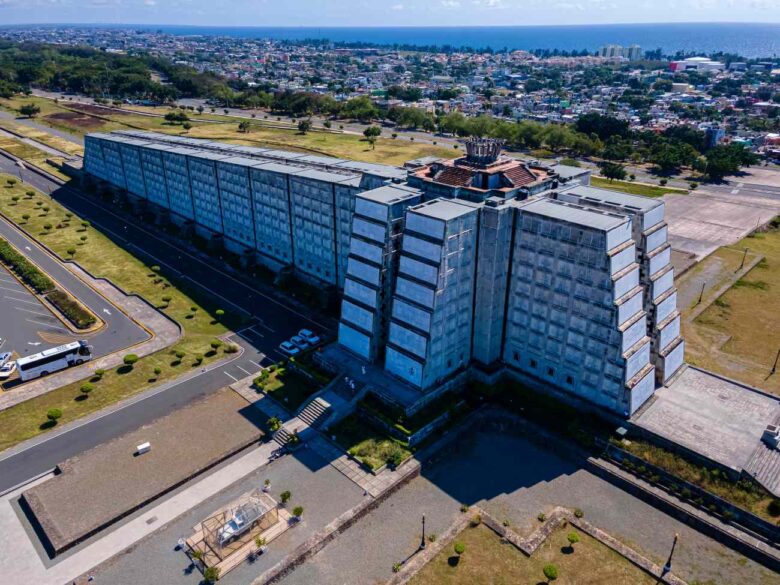
One of the most striking monuments in the Dominican Republic is the Columbus Lighthouse, a colossal structure dedicated to Christopher Columbus, whose legacy remains deeply embedded in the country’s history and culture.
The monument was built in the shape of a cross to symbolize the beginning of the Evangelization of the Americas, while its stepped architecture was inspired by the design of Mayan pyramids.
Its name comes from the more than 250 powerful lights installed within the structure. When illuminated, these beams project a gigantic cross into the night sky that can be seen from as far as 60 kilometers away.
Reports have even claimed visibility from Puerto Rico, although the lighting display is reserved for specific dates throughout the year.
Inside the monument, visitors can explore exhibitions featuring gold and silver artifacts from the colonial era.
The lighthouse also houses the Columbus Mausoleum and Chapel, a site that continues to share a historical debate with Seville Cathedral in Spain regarding the final resting place of the famous navigator.
Looking for the Perfect Place to Stay in the Dominican Republic?
If you’re planning your stay, it’s worth choosing your accommodation wisely, being well located can save you even more time once you arrive. Read this post about the best areas and hotels to stay in The Dominican Republic.
Have you already decided which destinations you will visit in the Dominican Republic or where you will stay? We recommend reading this article to learn more about the country’s best areas: Where to Stay in the Dominican Republic.
7. Explore the Last Known Home of the Columbus Family
A visit to the Alcázar de Colón is one of those experiences that should not be missed while exploring Santo Domingo. Located within the Colonial Zone, this remarkable building immediately catches the attention of anyone walking through the historic district.
Dating back to the early 1500s, the structure was carved from coral stone and built without the use of a single nail despite featuring 72 doors and windows.
It was originally the residence of Diego Colón, son of Christopher Columbus and Viceroy of the Indies. Today, it serves as a museum offering fascinating insight into the lifestyle of the conquerors and their families.
Visitors can explore 22 rooms showcasing a unique blend of Renaissance and Gothic architecture.
Inside, original furniture dating back to the 16th century remains on display alongside artistic and decorative pieces that local historians believe were created between the 14th and 16th centuries.
8. An Essential Visit in the Dominican Republic: Santo Domingo’s Colonial Zone
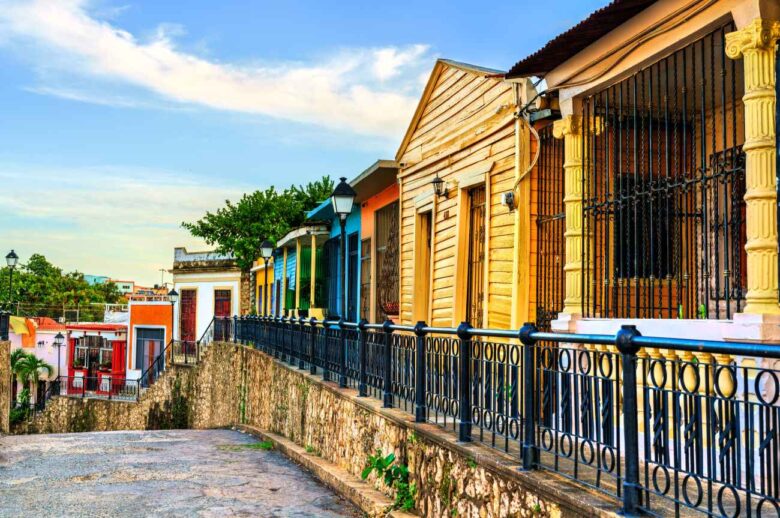
No trip to the Dominican capital is complete without spending time in the Colonial Zone, one of the most historically significant areas in the Americas.
This district is home to many landmark buildings, including the first cathedral, monastery, university, customs house, and hospital of the New World.
Beyond its extraordinary historical value, the Colonial Zone is also filled with restaurants, cafés, and entertainment venues, making it one of the city’s liveliest neighborhoods.
For a deeper understanding of its history and hidden corners, joining a guided tour is an excellent way to explore the oldest part of Santo Domingo and discover its most emblematic sites.
9. Punta Rucia and Cayo Arena
Roughly four hours from Santo Domingo lies Punta Rucia, a small fishing village on the country’s northwestern coast that remains one of the Dominican Republic’s most charming destinations.
It’s the perfect place to escape the busier tourist areas, enjoy beautiful beaches, and sample fresh lobster or grilled fish served at simple beachfront eateries.
Beyond its culinary appeal, many travelers visit Punta Rucia to experience Cayo Arena, a tiny white-sand islet located in the middle of the sea.
Surrounded by a vast coral reef barrier, this idyllic spot is considered one of the best snorkeling destinations in the Dominican Republic.
While you’re there, don’t miss two additional natural highlights: the area’s lush mangrove forests and the crystal-clear waters of Ensenada Beach.
10. Delight Your Taste Buds with Dominican Goat Meat
Another culinary experience worth trying in the Dominican Republic is goat meat, a dish highly appreciated for its rich flavor and exceptionally tender texture.
While the cooking process is similar to that used for other meats, Dominican recipes often incorporate grated coconut, generous amounts of oregano, and a touch of spicy seasoning, giving the dish a distinctive local character.
For food lovers looking to experience authentic Dominican flavors beyond the better-known dishes, this is a meal well worth seeking out.
11. Admire the Beauty of Marine Life
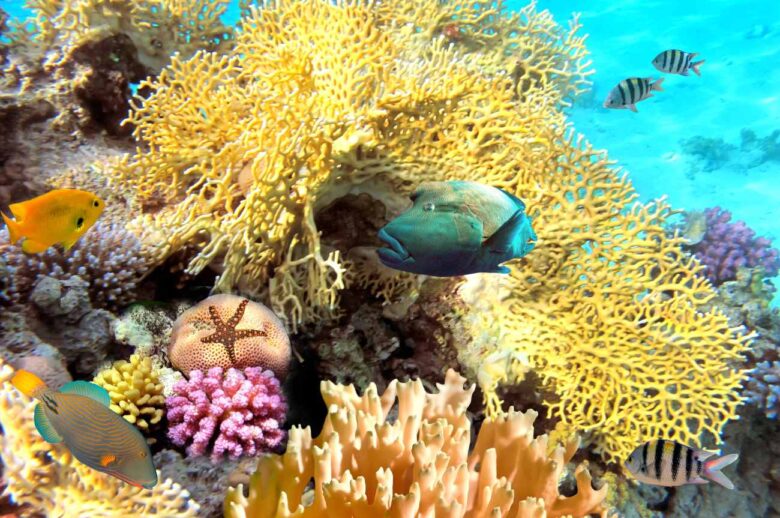
If you love discovering what lies beneath the surface, scuba diving is one of the most rewarding experiences you can have in the Dominican Republic.
The country’s warm waters and rich marine biodiversity make it a fantastic destination for both beginners and experienced divers.
Diving centers can be found all across the island, offering professional guides, modern equipment, and safe diving experiences.
Among the most popular spots are the spectacular coral reefs of Punta Cana and the underwater depths around Bayahíbe Island, home to one of the most pristine marine ecosystems in the Caribbean.
12. Dive into the Adventure of the National Aquarium
When thinking about things to do in the Dominican Republic, many visitors naturally place the National Aquarium high on their list.
This attraction is one of the most popular in the Caribbean, thanks to its impressive collection of more than 85 giant aquariums and six large ponds displaying over 2,900 species from both freshwater habitats and the Caribbean Sea.
Among the fascinating creatures on display are catsharks, lionfish, and starfish.
One of the highlights of the visit is the spectacular underwater tunnel. As you walk through it, sharks, turtles, and manta rays glide beside and above you, creating the unforgettable sensation of strolling along the ocean floor.
13. Mamajuana Will Leave a Lasting Impression
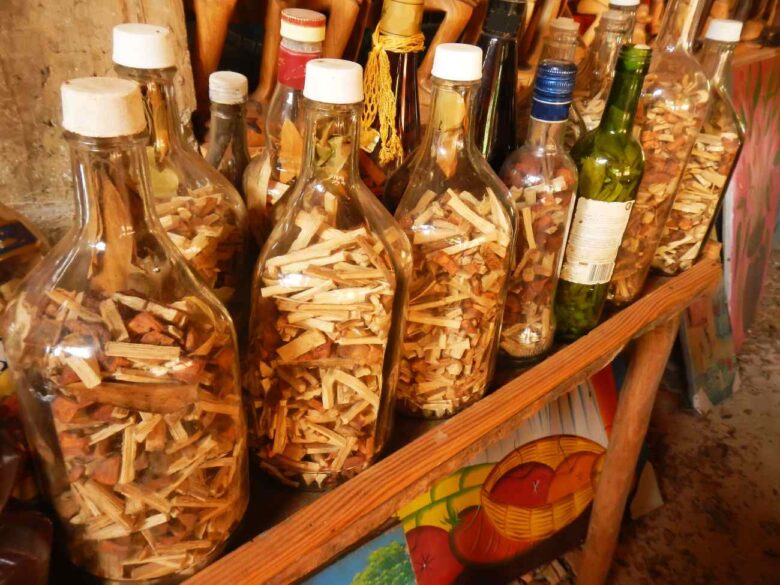
No trip to the Dominican Republic feels complete without trying Mamajuana, the country’s most famous traditional liquor.
This unique artisanal drink traces its origins back to indigenous communities, who prepared infusions using a mixture of herbs, bark, roots, and leaves steeped in hot water and sweetened with honey.
Following the arrival of Christopher Columbus, alcohol was added to the recipe, specifically red wine and distilled rum.
The result was Mamajuana, a drink that not only serves as a popular local spirit but is also traditionally believed to help digestion and improve blood circulation.
It’s no surprise that after tasting it, many visitors choose to take a few bottles home as one of the most authentic Dominican souvenirs.
14. Discover the Fight for Freedom Through the Puerta del Conde
Declared a National Monument of the Dominican Republic in 1935, the Puerta del Conde is much more than an old stone structure.
Dating back to the 17th century, the monument consists of a stone arch flanked by two cylindrical towers and stands as one of the most important symbols of Dominican independence.
At first glance, you might mistake it for a surviving section of an ancient wall. In reality, it represents the resilience and determination of the Dominican people in their struggle for sovereignty.
It was here that the Dominican flag was raised for the very first time and where the country’s independence was officially proclaimed in 1844.
Passing through the gate leads directly to Independence Park, the site where much of the pre-independence movement took shape. Visitors can admire busts and statues honoring some of the nation’s most important historical figures.
If you happen to visit on February 27, you’ll experience an even deeper connection to this historic site, as parades and cultural celebrations take place throughout the country to commemorate Dominican Independence Day.
15. Surrender to the Charm of Santo Domingo’s Ozama Fortress
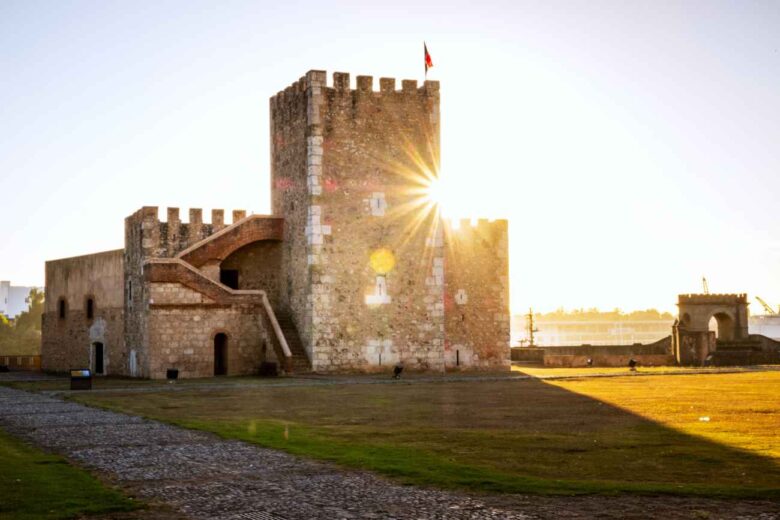
Walking along Las Damas Street in Santo Domingo’s Colonial Zone, it’s impossible not to notice the imposing stone walls of the Ozama Fortress.
Built in 1502 and named after the nearby Ozama River, it is considered the oldest military fortress in the Americas and has been recognized by UNESCO for its outstanding historical value.
The fortress is open to visitors from Tuesday to Sunday between 9:00 a.m. and 5:00 p.m.
Its architecture evokes the appearance of a European medieval castle, complete with tunnels, hidden passageways, and dungeons where pirates and invading sailors were imprisoned during the early years of the colonial era.
Beside the fortress stands an impressive 18-meter-high tower crowned by the Dominican flag, offering one of the most recognizable views in the Colonial Zone.
16. Dare to Try Yaniqueques

One of the most popular street foods in the Dominican Republic is the yaniqueque.
Found everywhere from simple beachside stalls to local restaurants, these tasty treats are often enjoyed as a snack between meals and sometimes even become part of a casual dinner.
In other countries they are often compared to pastries or turnovers.
Made primarily from wheat flour, the dough is rolled into a circular shape and folded in half before cooking. Inside, yaniqueques are typically filled with cheese, meat, or chicken, making them a simple yet satisfying bite while exploring the country.
17. Bahía de las Águilas
For travelers seeking untouched nature, Bahía de las Águilas is one of the most extraordinary places to visit in the Dominican Republic.
Located within Jaragua National Park, the country’s first UNESCO-designated Biosphere Reserve, this spectacular beach is considered one of the nation’s most valuable natural treasures.
The journey from Santo Domingo takes approximately six hours by road, which helps explain why the area remains one of the least visited regions in the country.
However, those willing to make the trip are rewarded with pristine landscapes, minimal development, and a peaceful atmosphere far removed from the country’s more crowded destinations.
18. Discover Altos de Chavón, One of the Best Places to Visit in the Dominican Republic
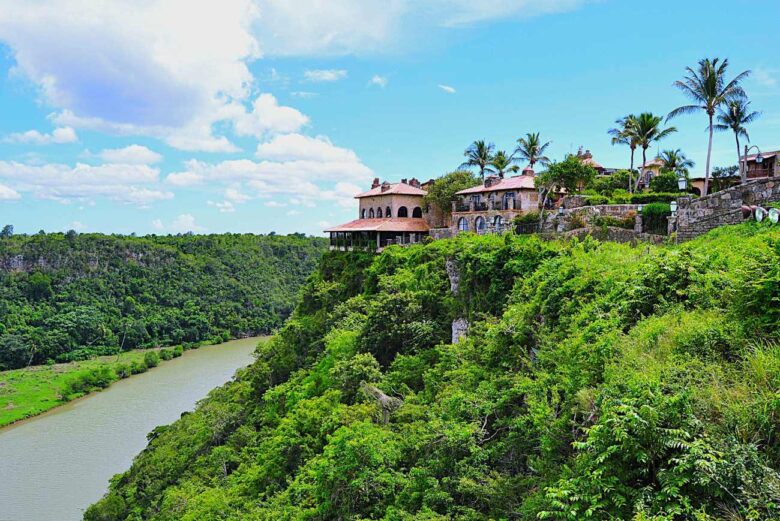
Just outside La Romana, overlooking the curves of the Chavón River on the island’s southern coast, lies one of the Dominican Republic’s most unexpected attractions: Altos de Chavón.
Designed by an Italian architect, this fascinating village was created to recreate the appearance of a 16th-century European settlement.
The illusion is remarkably convincing. Visitors will find Italian-style houses, a Roman amphitheater, the beautiful stonework of St. Stanislaus Church, and a network of charming plazas and cobblestone streets.
What makes the experience even more surprising is knowing that the entire village was designed and constructed during the 1970s and 1980s.
19. Enjoy Dancing Bachata and Merengue
If there is one thing you should do before leaving the Dominican Republic, it is dance bachata or merengue.
These rhythms are at the heart of Dominican culture, and experiencing them firsthand is one of the most enjoyable ways to connect with the country.
Visitors can enroll in dance academies in Santo Domingo and take lessons over several days. At the end of the course, participants are invited to demonstrate what they have learned during public dance events held in lively open-air squares shared by locals and tourists.
If formal lessons aren’t your style, there are plenty of other opportunities to learn. Throughout the year, different bachata and merengue festivals are celebrated across the country.
No dance partner is necessary, and chances are you’ll quickly find someone eager to share a dance.
If your trip doesn’t coincide with a festival, you can still enjoy Santo Domingo de Fiesta, an outdoor event held every Friday and Saturday. The festivities begin at 8:00 p.m. in Plaza España, located in the Colonial Zone. Admission is free, and so is the dancing.
20. Don’t Leave Without Buying the Best Souvenirs
Bringing home a few Dominican souvenirs is a great way to remember your trip. Among the most popular purchases are colorful paintings, Taíno handicrafts, Dominican coffee, rum, and locally produced cigars.
Visitors will find numerous shopping options throughout the country, all known for good service and quality products.
Some of the most recommended places include Plaza Uvero Alto, Tres Center Plaza, Bibijagua Craft Market, and Palma Real Shopping Village.
Whichever you choose, you’re sure to find the perfect reminder of your Dominican adventure.
21. Even the Plants Will Show You the Beauty of the Dominican Republic
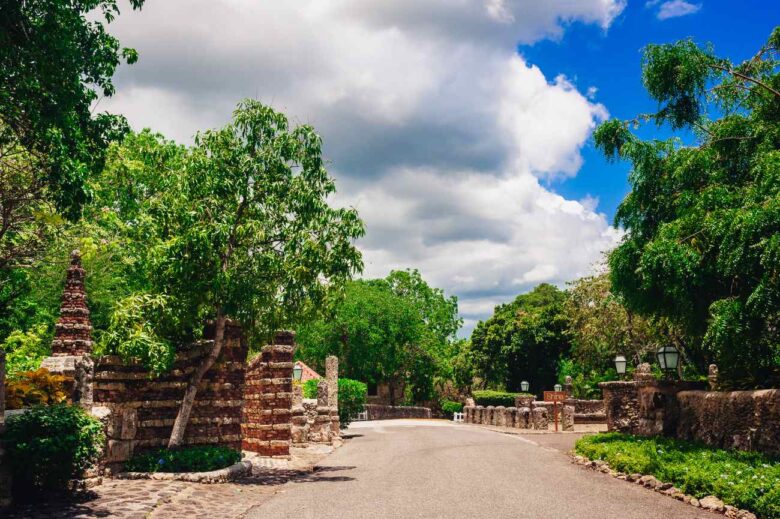
Nature lovers should set aside time to visit the Dominican Botanical Garden, considered the largest botanical garden in the Caribbean.
Covering an area of 2,345 square kilometers, it showcases more than 60,000 plant species representing the eight ecosystems found throughout the Dominican Republic.
Beyond its impressive biodiversity, one of its most iconic attractions is the Floral Clock.
This beautifully landscaped feature consists of a green mound surrounded by colorful flower beds and a pond filled with aquatic plants.
At its center stand clock hands measuring five meters in length, accurately displaying the time. Not surprisingly, it is also the most photographed attraction within the entire garden.
22. Its Name Is Morir Soñando (To Die Dreaming), Imagine How It Tastes
Trying Morir Soñando is one of those experiences you simply shouldn’t miss in the Dominican Republic.
This refreshing and exotic drink combines orange juice, evaporated milk, sugar, and plenty of crushed ice, creating a surprisingly delicious blend that perfectly suits the Caribbean climate.
In many hotels and restaurants, it is served as a complimentary welcome drink before guests place their orders.
Its name, which translates to “To Die Dreaming,” refers to the delightful sensation experienced by those who drink it.
The combination of citrus and milk may sound unusual at first, but the result is incredibly smooth and refreshing. The drink is also sometimes prepared with lemon juice instead of orange juice, and some versions even include liquor.
One thing is certain: no one leaves the Dominican Republic without trying it.
23. More Nature at Lake Enriquillo
Lake Enriquillo is the largest lake in the Caribbean and one of the country’s most fascinating natural attractions. It is home to an impressive variety of wildlife, including saltwater crocodiles, pink flamingos, and lizards.
It is advisable to visit with an experienced guide to avoid unwanted encounters with dangerous animals, especially considering the lake’s remote location near the Haitian border.
24. Los Haitises National Park
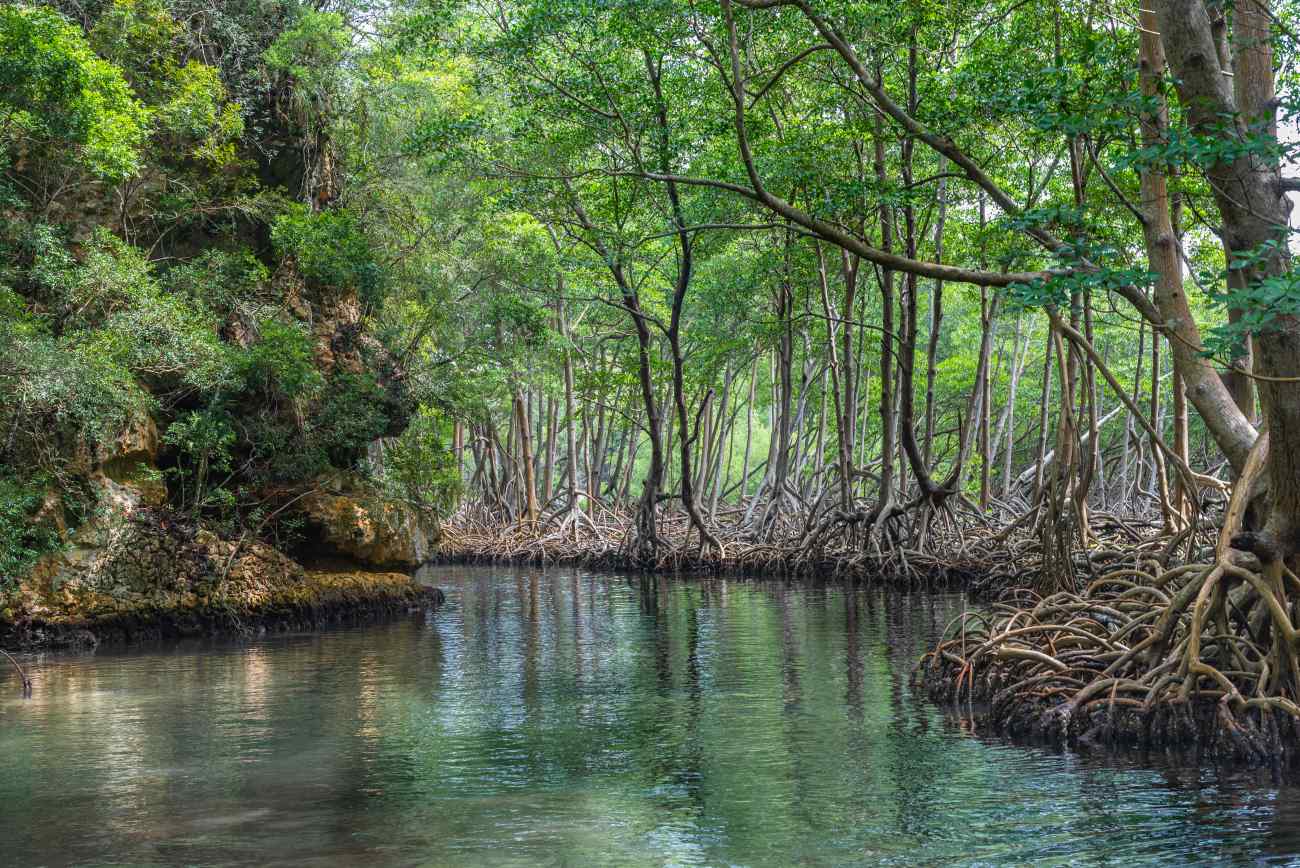
A visit to Los Haitises National Park is one of the absolute must-do activities in the Dominican Republic for nature lovers.
Bordered by the crystal-clear blue waters of Samaná Bay, the park is home to towering coastal mountains, deep valleys, and ancient rainforests that feel untouched by time.
Enjoy the park’s rich birdlife, explore its mangrove forests and bays populated by pelicans and hutia rodents, and hike along trails that wind through pristine forests along the shoreline.
25. If You Didn’t Eat Sancocho, You Were Never in the Dominican Republic
Although sancocho is not exclusive to the Dominican Republic, the ingredients and preparation method used here are considered a true culinary treasure.
Unlike versions found elsewhere, Dominican sancocho is a soup made with vegetables and root crops, but with one extraordinary feature: it contains seven types of meat: goat, chicken, beef, pork, sausage, smoked pork chop, and hen.
There is hardly a restaurant in the country that does not include this dish on its menu.
All ingredients are simmered together in a large pot and then covered with plantain leaves.
It is considered the national dish of the Dominican Republic and is traditionally prepared during special family celebrations.
26. Whale Watching in Samaná Bay
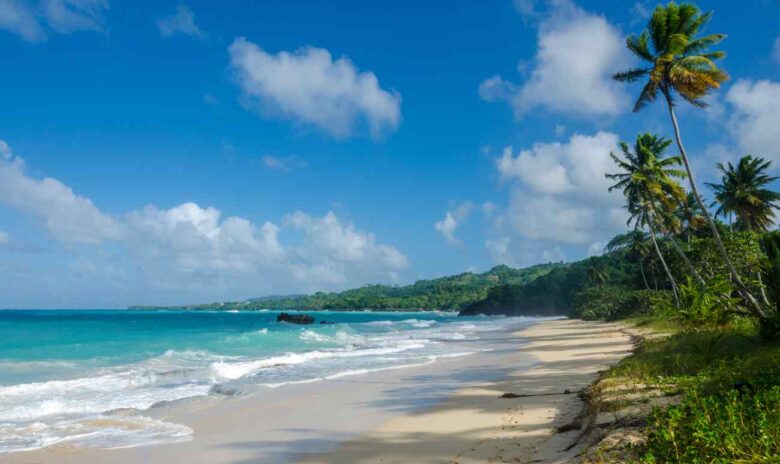
Samaná Bay is famous for hosting one of the world’s great whale migrations. Every Northern Hemisphere winter, particularly during January and early February, visitors have the opportunity to observe humpback whales in Dominican waters.
You can join a full-day ocean tour to witness the spectacular sight of these giant mammals splashing water with their enormous fins and engaging in their mating rituals.
27. Discover the Secret of Dominican White Rice
Eating white rice in the Dominican Republic is unlike anywhere else in the world. Dominicans take great pride in preparing it with specific characteristics: the grains must remain separate, appear very white, and be both firm and tender at the same time.
What makes it truly special is the concón, a thin, crispy golden layer that forms around the sides and bottom of the pot during cooking.
If your plate does not include concón, you are not eating authentic Dominican rice.
The combination of fluffy rice and crispy concón is the perfect accompaniment to soups and traditional lunches throughout the country.
Be sure to try it!
28. East National Park: Saona Island, an Essential Visit in the Dominican Republic
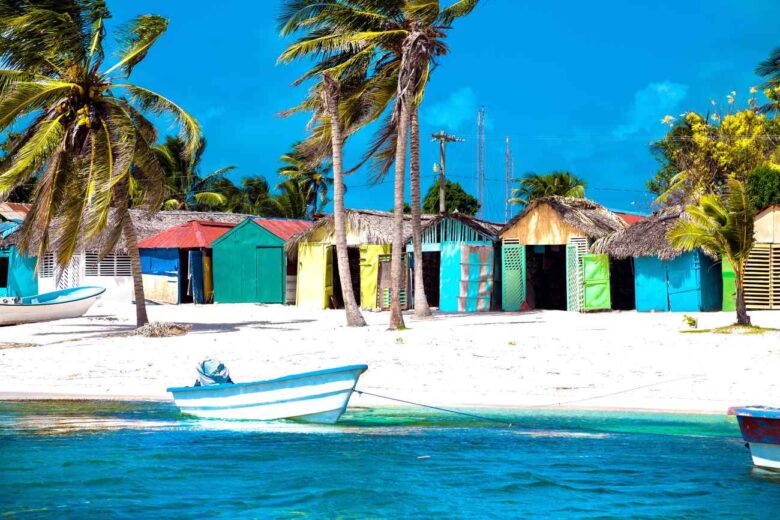
Saona Island is a tropical island located in the southeast of the Dominican Republic, within the boundaries of East National Park. It is a truly paradisiacal destination.
With a population of barely 300 people, it remains a virtually untouched island featuring dreamlike beaches and crystal-clear waters that seem straight out of a postcard.
If you want to experience a true tropical paradise, this is one of those must-do visits in the Dominican Republic. Book an excursion to the island, and you certainly won’t regret it.
Recommended Tour: Full-Day Saona Island Excursion
29. Visit Constanza, the Switzerland of the Caribbean
One of the most fascinating experiences in the Dominican Republic is witnessing the contrast between its spectacular Caribbean beaches and the mountain atmosphere found in Constanza.
Located in the heart of the country within the Central Mountain Range, this charming town is capable of surprising even the most seasoned traveler.
You would hardly believe you are in the Caribbean. Its cool climate and breathtaking landscapes have earned it the nickname “The Switzerland of the Caribbean.”
30. Discover the Damajagua Waterfalls
The Damajagua Waterfalls, also known as the 27 Waterfalls, are a must-visit destination for nature lovers and adventure seekers.
Located in the Northern Mountain Range, they feature a series of canyons and natural pools that are perfect for hiking and canyoning excursions.
Climbing steep rocks, diving into refreshing mountain pools, and observing colorful birds and exotic wildlife in a lush jungle environment are all part of the experience.
31. Cave of Wonders
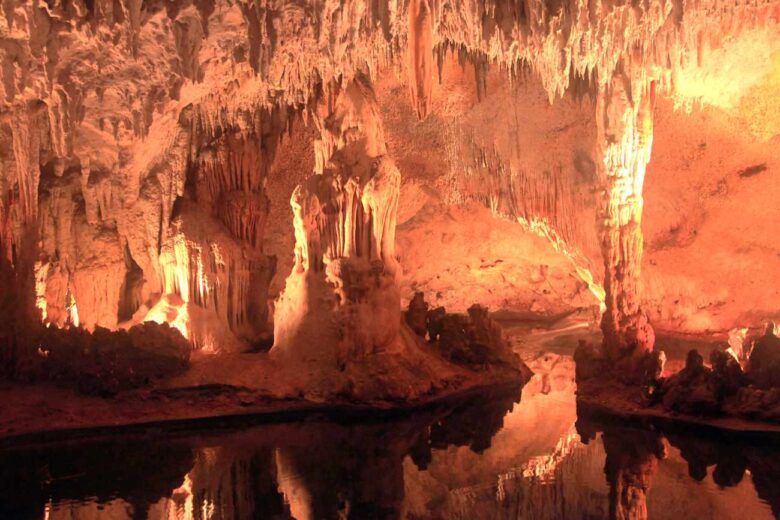
Another fascinating attraction is the Cave of Wonders (Cueva de las Maravillas).This enormous underground cave system is estimated to be more than 100,000 years old.
Inside, visitors can admire impressive stalactites, stalagmites, columns, and pisolites, as well as ancient Taíno pictographs preserved on its walls.
32. Relax at Voy Voy Bar
If you are looking for something fun to do in the Dominican Republic, you should visit Voy Voy Bar in Cabarete, located on the northern coast of the country.
It is a favorite nightlife destination for tourists and locals who enjoy live music, craft beers, and fine wines.
Mondays are dedicated to open karaoke competitions among friends and strangers alike. The audience chooses the winner, and the bar rewards them with unexpected prizes.
Wednesdays feature performances by some of the country’s best reggae bands, while Fridays are reserved for alternative music groups.
The bar also offers free entry promotions for women who arrive without a partner.
When there are no karaoke sessions or live bands, the music is provided by some of the Caribbean’s most popular DJs.
33. Play on the Best Golf Courses in the Caribbean
When asked what to do in the Dominican Republic, golf enthusiasts often answer with a single word: golf.
The country is considered one of the Caribbean’s premier golf destinations. With 29 exclusive golf courses, the Dominican Republic has become a must-visit location for golfers from around the world.
Major tournaments such as events from the PGA Tour are frequently held on the island. However, the country offers much more than world-class facilities for professionals. Amateur players can also benefit from regular green fee promotions.
Golfers can enjoy a round while admiring the exceptional beauty of courses surrounded by lakes, mangroves, and forested mountains.
34. Discover the Rich Flavor of Locrio de Chicharrón de Cerdo
A little more sophisticated than some traditional dishes, Locrio de Chicharrón de Cerdo is a culinary surprise for first-time visitors.
The combination of rice and crispy pork cracklings is so flavorful that one serving is rarely enough.
Not everyone prepares it properly, but many restaurants have mastered the recipe and serve it exactly as it should be.
A good locrio should feature soft, yellow-colored steamed rice mixed with pieces of slowly fried pork.
Additional ingredients typically include oregano, carrots, peppers, garlic, olives, squash, cilantro, tomato paste, and salt. It is traditionally served alongside tostones and avocado.
35. Connect with Nature at the Zoo
If you are a nature lover or simply want to escape the hustle and bustle of the city without actually leaving it, visiting the zoo is one of the best family-friendly activities in the Dominican Republic, especially when traveling with children.
Covering an area of 1,250,000 square meters, it is one of the most spacious zoos in Latin America and an excellent destination for a different kind of family or couples’ outing.
The zoo is home to a wide variety of exotic animals, and visitors can explore it either on foot or aboard a train that travels throughout the wildlife reserve.
In addition, the zoo offers walking paths, cafeterias, restrooms, and extensive green areas designed for relaxation and recreation.
Children can also enjoy a dedicated area that includes opportunities for supervised interaction with certain animals.