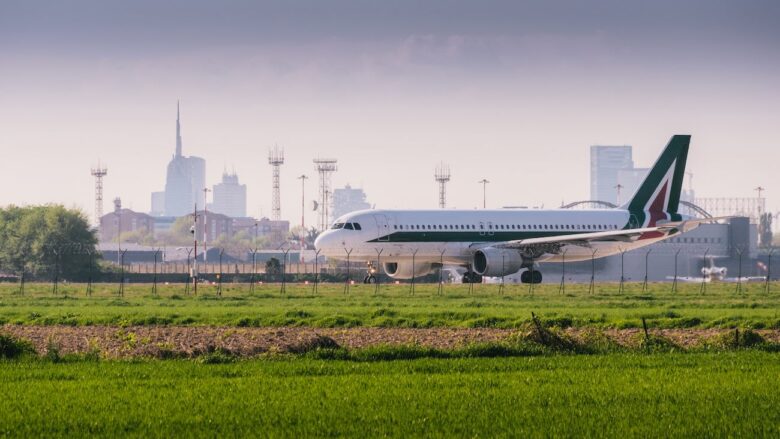
If you’re flying into Milan and landing at Linate Airport, you’ve already made things easy for yourself. I’ve used all three Milan airports over the years, and Linate is by far the most convenient, mainly because it’s so close to the city.
Located just 7–8 km from the Duomo di Milano, Linate sits to the east of Milan and feels almost like a city airport rather than an international one. Compared to Milan Malpensa Airport or Bergamo Airport, getting into the center from here is quick, cheap, and straightforward.
The airport itself is small, efficient, and easy to navigate, something I really appreciate after a long flight. There’s just one terminal, open 24 hours, with arrivals on the ground floor and departures upstairs.
You’ll find information desks in both areas, and honestly, you probably won’t even need them (it’s that simple to get around).
Looking for the Perfect Place to Stay in Milan?
If you’re planning your stay, it’s worth choosing your accommodation wisely, being well located can save you even more time once you arrive. Read this post about the best areas and hotels to stay in Milan.
How to get from Milan Linate Airport to the city center
1. Bus
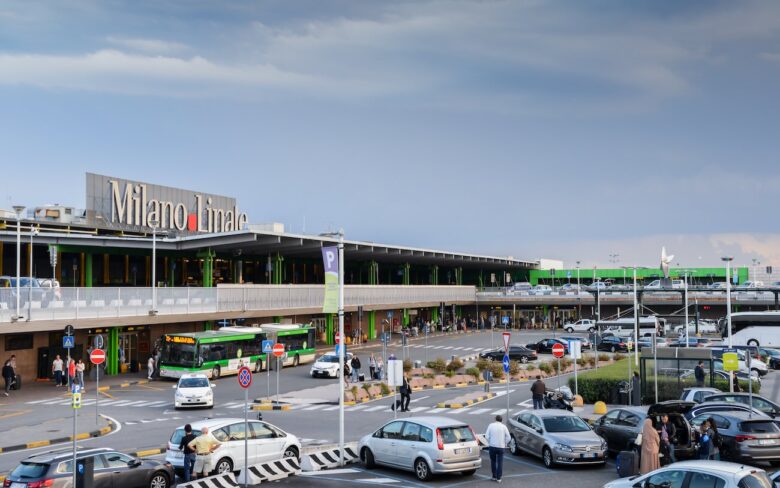
Taking the bus is one of the most straightforward ways to reach the city, especially if you’re heading to Milano Centrale. I’ve used this option a couple of times. It’s easy, but not always the fastest.
Right outside the arrivals area, you’ll find private shuttle services clearly signposted. Public buses, run by ATM Milano, depart just in front of the terminal (Gate 8).
From experience, here’s the key difference: private shuttles are more comfortable and luggage-friendly, while public buses are cheaper but can get crowded.
Linate Shuttle Bus (Air Pullman)
This is a direct shuttle to Milano Centrale.
- Price: €7 one way (€12 round trip)
- Frequency: every 2 hours (08:30–20:30)
- Journey time: about 25 minutes
It’s a comfortable ride, but I personally find the low frequency a bit limiting. If you just miss one, you’ll be waiting a while.
Airport Bus Express (Autostradale)
Another direct option to Milano Centrale, and in my opinion, the better of the two shuttle services.
- Price: €7 at the airport or €5 online
- Frequency: every hour (09:00–22:30)
- Journey time: around 25 minutes
If you book online, it’s cheaper and the more frequent departures make it easier to fit into your plans.
ATM Public Buses (Best budget option)
If you’re traveling on a budget, this is hands down the cheapest way into the city. A standard ticket costs just €2.20 and works across Milan’s entire public transport system.
You can buy tickets via the app, machines, kiosks, or simply tap your card on board. There are two main lines:
NM4 Line (Night service)
This line runs when the metro is closed and follows a similar route to the M4.
- Frequency: every 30 minutes
- Best for: late-night arrivals
I’ve taken this once after a late flight, and it’s a lifesaver: slow, but reliable when nothing else is running.
Line 73
This is the classic and most popular route. It takes you straight to Piazza San Babila, right in the heart of the city and just a short walk from the Duomo.
- Frequency: every 10–15 minutes
- Journey time: about 30 minutes
It’s incredibly convenient if you’re staying in the center or planning to connect to the metro (M1 or M4).
The only downside is that it can get quite crowded, especially during rush hour—so if you’re traveling with large luggage, it might not be the most comfortable ride.
2. Metro, the fastest and easiest way to get from Linate to the city center
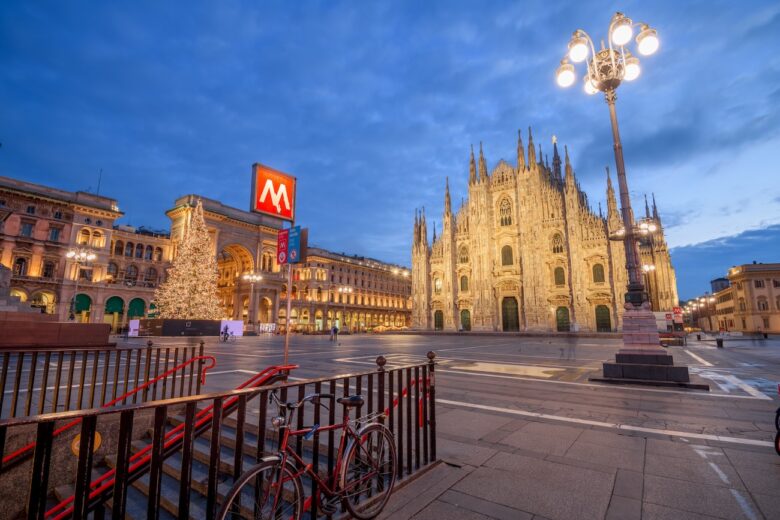
If there’s one option I keep coming back to every time I land at Linate, it’s the metro. Since the opening of the M4 “blue line,” getting into Milan has become ridiculously quick and simple. It’s a bit of a game changer.
The M4 connects the airport directly with the city, running from Linate all the way to San Cristoforo. From personal experience, you can be in the center in about 10–15 minutes, which is hard to beat by any other means of transport.
The station, Linate Aeroporto station, is directly connected to the terminal, and the signage is clear, so you won’t have to wander around looking for it after landing.
One of the things I love most is how easy it is to pay: you can just tap your card at the turnstiles, or buy a ticket from machines, kiosks, or the ATM Milano app.
A standard ticket costs €2.20 and is valid for 90 minutes across zones Mi1–Mi3, meaning you can hop on buses, trams, or even regional trains if needed. If you’re staying longer, day passes (€7.60) or 3-day passes (€15.50) are well worth considering.
The trains run frequently, every 2–4 minutes during busy times and every 4–6 minutes the rest of the day, so you’ll rarely have to wait. Operating hours are roughly 05:40 to 00:30.
If you land late (I’ve been there), the night bus NM4 follows almost the exact same route, so you’re still covered even when the metro is closed.
Another big plus: all stations on the M4 are modern and fully accessible, with lifts, escalators, and easy connections to buses, trams, and even the BikeMi bike-sharing system.
👉 Bottom line from experience: if you’re staying anywhere near the center, just take the metro. It’s the fastest, cheapest, and least stressful option.
3. Taxi and Uber, best if convenience matters more than price
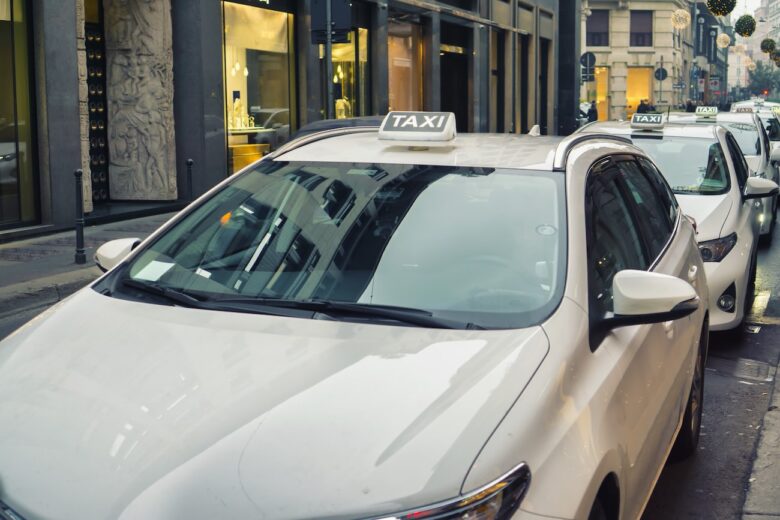
That said, there are times when a taxi or Uber simply makes more sense, especially if you’re arriving late at night, traveling with lots of luggage, or staying somewhere not well connected by public transport.
Milan Linate Airport is so close to the city that getting there by car is quick and straightforward. You basically hop onto Via Forlanini and head straight into town.
Taxi ranks are easy to find just outside arrivals (Exit 5), and there’s always a steady flow of cars waiting.
Prices aren’t fixed, so the meter determines the fare. From my experience, you can expect:
- €25–€30 during the day
- €35–€40 at night, on holidays, or in heavy traffic
The journey usually takes between 15 and 30 minutes, depending on traffic.
Uber and similar ride-hailing apps are also available and sometimes slightly cheaper:
- €18–€25 in normal conditions
- Up to €30–€40 during peak times or high demand
Personally, I only go for this option when I’m staying outside the center or arriving exhausted. It’s definitely the most comfortable way to get door-to-door, but for most trips, the metro just makes more sense.
4. Car rental at the airport, only worth it if you’re leaving Milan

I’ll be honest: renting a car at Milan Linate Airport is something I only recommend if you’re planning to get out of Milan and explore places like Lake Como, Bergamo, or the countryside.
For staying in the city? It’s more hassle than it’s worth.
Milan’s historic center is a ZTL (restricted traffic zone), which means you can’t just drive in freely without risking fines. On top of that, parking is expensive, limited, and honestly quite stressful to deal with, especially if you’re not familiar with the area.
That said, if you do need a car, the process at Linate is straightforward. You can book online in advance and pick it up directly at the arrivals area, where all the rental companies have their desks.
From experience, here’s what you can expect price-wise:
- €20–€35 for a basic 24-hour rental (standard insurance, limited category)
- €40–€70 in high season (especially summer)
- €40–€60+ if you upgrade the car or add full insurance
👉 My take: only rent a car if Milan is just your starting point, not your main destination.
5. Car sharing: a flexible alternative if you’re comfortable driving
If you like the idea of driving but don’t want the commitment (or cost) of a full rental, car sharing can be a really interesting option. I’ve tried it a couple of times in Milan, and it works surprisingly well, especially for short, one-way trips.
At Linate, all car-sharing vehicles are located on the 6th floor of parking P2, and you can pick them up or drop them off there 24/7. The main providers are:
- Enjoy (ENI car sharing)
- E-VAI
- Free2Move
All of them require a quick registration via app or website before you can use the service.
Enjoy (ENI)
This is probably the simplest and most popular option.
- Cars: Fiat 500 and 500L
- Pricing: per minute + per km (fuel and parking included)
- Airport surcharge applies
- Typical cost to the center: €11–€20
Good for quick, no-fuss trips—but prices can creep up with traffic.
E-VAI (electric option)
A great choice if you prefer electric vehicles and fixed pricing.
- Pricing: € 9 for the first hour + €0.25/km
- No airport surcharge
- Typical cost: €11–€12 (up to €20 with heavy traffic)
I like this one for its transparency—no surprises at the end.
Free2Move
A flexible, app-based service with modern city cars.
- Cars: Peugeot 208, Citroën C3, Fiat 500e
- Pricing: per minute + per km (fuel included)
- Airport surcharge applies
- Typical cost: €12–€17
Very similar to Enjoy, just with a different fleet.
👉 From my experience: car sharing is a cool option if you’re used to driving in cities and want flexibility—but for most travelers, public transport is still easier.
6. Private transfer: the easiest (and most comfortable) option
If you just want a smooth, no-stress arrival, especially after a long flight, a private transfer is hard to beat.
A driver will meet you at arrivals and take you directly to your hotel. No waiting, no navigating, no dragging luggage around.
- Journey time: 15–25 minutes
- Availability: 24/7
- Price: Check prices here
I’ve used this option when traveling with family or lots of luggage, and it really makes a difference. Yes, it’s more expensive—but sometimes the convenience is worth every euro.
👉 My take: ideal for groups, late arrivals, or when you just want to start your trip without any hassle.