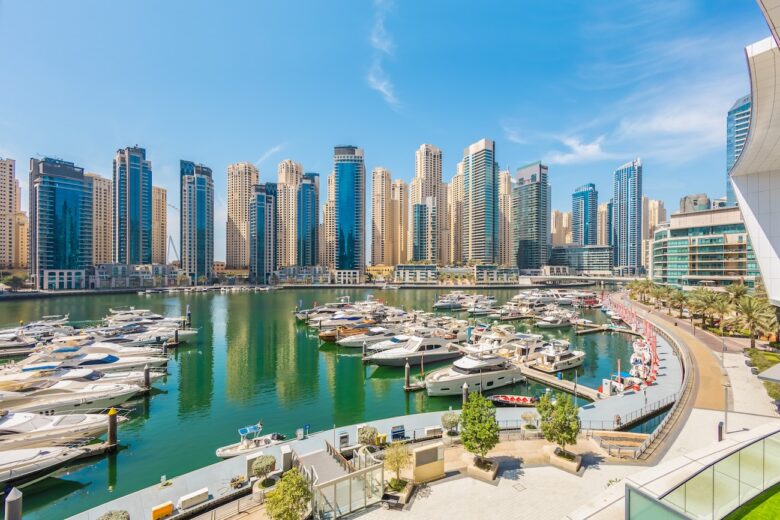
If you ask me, the best time to visit Dubai is between November and March, while the months you should avoid if possible are June through September. Summer in the United Arab Emirates is no joke.
Dubai has become one of the most spectacular destinations in the world, and it’s easy to see why. Luxury, cutting-edge architecture, desert landscapes, beaches, and deep-rooted traditions all coexist in a city that never stops surprising you.
That said, timing your trip right is absolutely key. Dubai’s desert climate has a massive impact on how much you’ll enjoy the city, and I mean that both in a good and a bad way.
There are moments of the year when the weather feels almost perfect, with warm but comfortable temperatures that make you want to be outside all day. And then there are other times when Dubai turns into a giant oven and simply stepping outside feels overwhelming.
Temperatures, humidity, and even the type of activities you can realistically enjoy change dramatically throughout the year. That’s why knowing what each season is like will help you choose when to visit based on what matters most to you: mild weather, lower prices, fewer crowds, or major events and festivals.
I’ve visited Dubai several times, in different seasons, and in my experience there’s one golden rule: avoid the Dubai summer. From June to the end of September, the heat is genuinely unbearable. Walking outside for more than a few minutes can be exhausting.
The rest of the year, however, is a completely different story, you’ll either enjoy very pleasant temperatures or, at worst, heat similar to a Mediterranean summer.
Before getting into the details of each season, one quick tip: if you haven’t booked your accommodation yet, I recommend checking out my guide on where to Stay in Dubai. The city is long, spread out, and made up of very different neighborhoods, so choosing the right area can make or break your trip.
Dubai’s Climate: What You Need to Know Before Traveling
Before booking any trip to Dubai, there’s one thing I always tell people to consider first: the climate. Dubai has an arid, desert climate, which means endless sunshine, very little rain, and big differences depending on the time of year.
Broadly speaking, the year is divided into two main seasons:
- Winter, which is mild and dry
- Summer, which is extremely hot and humid
Between these two extremes, you’ll find spring and autumn, short transition periods that can actually be a great compromise if you’re looking to balance weather, crowds, and prices.
Winter in Dubai (November to March): The Ideal Season
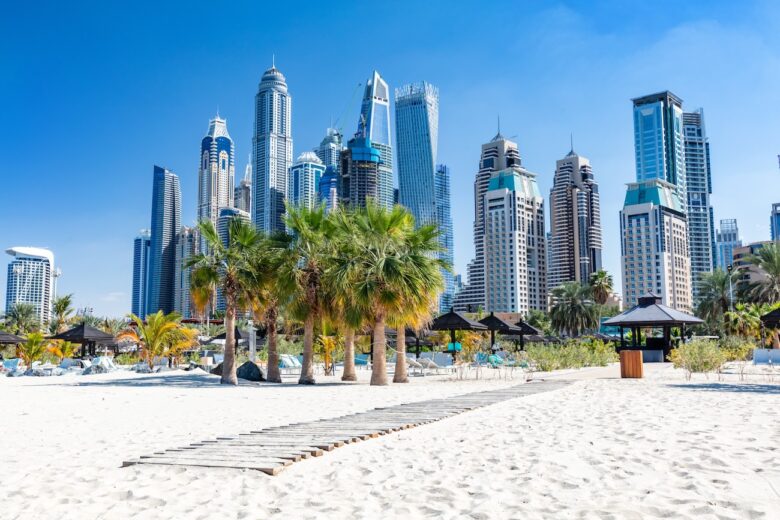
For most travelers, myself included, winter is hands down the best time to visit Dubai. This is when you can truly enjoy the city without constantly thinking about the heat.
During these months, temperatures usually range between 18°C and 30°C (64°F–86°F), humidity is low, and rainfall is almost nonexistent. The weather feels comfortable during the day and pleasantly cool in the evenings. That said, the sun is still strong, so sunscreen is a must.
I’ve traveled to Dubai during winter, and the conditions were close to perfect. Days felt like a warm spring, ideal for walking around, visiting neighborhoods, or heading to the beach, while evenings were cool enough to appreciate a light jacket.
The only real downside is that this is peak season. Dubai is at its busiest, and hotel prices, especially in the most popular areas like Downtown Dubai or Dubai Marina, can be significantly higher.
If you’re traveling on a budget, you may want to look at less central neighborhoods or book well in advance.
Why I Love Visiting Dubai in Winter
Pros
- Beautiful, comfortable weather
- Perfect conditions for beaches, desert safaris, and long city walks
- A packed calendar of cultural, sporting, and shopping events
Cons
- Peak tourist season
- Higher prices for flights, hotels, and tours
- Crowds at the city’s most popular attractions
Winter in Dubai: Month by Month
November marks the official start of high season. After the summer shutdown, iconic places like Dubai Miracle Garden and Global Village reopen, and events such as Dubai Design Week bring the city back to life.
December is one of my favorite months in Dubai. The weather is mild (17°C–26°C / 63°F–79°F), and the city feels especially festive thanks to UAE National Day, Christmas markets, and the spectacular New Year’s Eve fireworks.
January is the busiest month of the year. Even though it’s technically the coldest period (with average temperatures around 19°C / 66°F), it’s still perfect for every kind of activity. It’s also when the famous Dubai Shopping Festival takes place.
February continues with great weather and slightly fewer crowds than January. Highlights include the Dubai Food Festival and the Emirates Airline Festival of Literature, making it a fantastic month for culture lovers.
March brings longer days and a gentle increase in temperatures. It’s an excellent time to combine sightseeing with major events like the Dubai World Cup or Art Dubai, before the heat really starts to build.
Spring in Dubai (April and May): Fewer Tourists, More Heat
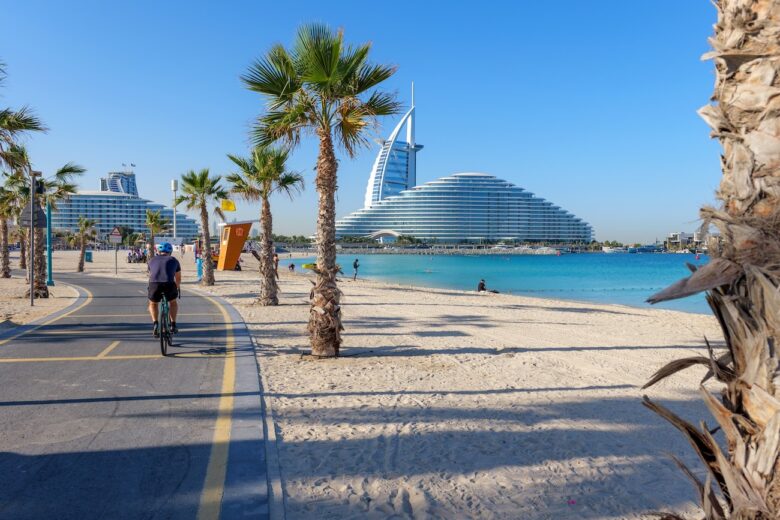
Spring in Dubai is what I’d call a shoulder season. The heat starts to build up gradually, but it’s still a very manageable time to visit if you plan your days well.
In April, temperatures usually sit around 30°C (86°F), while in May it’s common to exceed 35°C (95°F), with humidity slowly creeping up.
I’ve visited Dubai during these months as well, often as a short stopover on my way to Asia. Emirates makes stopovers incredibly easy, and this is when you can often find much better flight deals.
It’s a great time to enjoy the beach, and you can still comfortably do most outdoor sightseeing. Walking around Dubai Marina during the day is perfectly doable, and you won’t feel forced to hide inside a shopping mall every time the sun is out.
What to Expect in Spring
- Noticeably fewer tourists than in winter
- Slightly lower accommodation prices
- Outdoor activities are best early in the morning or at sunset
By the end of May, the heat can become limiting for longer excursions, especially during the middle of the day. I’d also try to avoid Easter, when visitor numbers and prices tend to spike again.
It’s also worth keeping in mind that Ramadan often falls in March or April. During this holy month, opening hours for some shops and restaurants change, and the city takes on a very special atmosphere after sunset, a bit quieter during the day, but lively and vibrant at night.
Summer in Dubai (June to September): Extreme Heat and Big Discounts
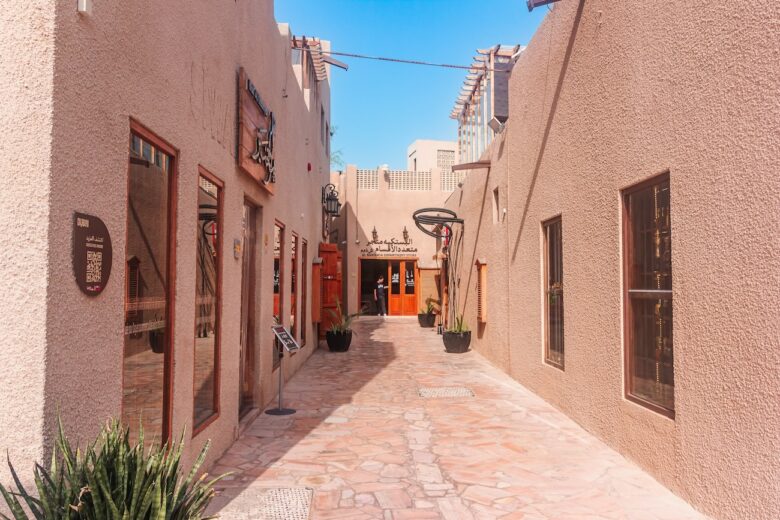
From a purely climatic point of view, summer is the worst time to visit Dubai. If you can avoid it, do so. If not, be prepared to deal with intense heat.
Daytime temperatures easily climb above 40°C (104°F) and can even reach 50°C (122°F), especially in July and August. On top of that, humidity levels are extremely high, often hovering around 80%.
Some days, spending just five minutes outside is enough to leave you completely drenched in sweat. Walking around for fun is simply not an option.
So… Why Visit Dubai in Summer?
Despite the brutal heat, Dubai is actually very well prepared for it.
- Air conditioning is everywhere: shopping malls, public transport, hotels, and even bus stops
- There’s a huge range of indoor activities and attractions
- And most importantly, prices drop dramatically
Flights, hotels, and even some tours become significantly cheaper. In a city as expensive as Dubai, that alone can be a very tempting reason to visit.
Summer is a great time to focus on indoor attractions like Dubai Mall, Mall of the Emirates, Ski Dubai, the Museum of the Future, the Dubai Aquarium, or massive indoor theme parks such as IMG Worlds of Adventure.
Water parks and temperature-controlled pools are also very popular during these months and offer some relief from the heat.
Summer in Dubai: Month by Month
June is still somewhat manageable if you stick to early mornings and sunset hours for any outdoor activity.
July is when the heat really becomes intense. Even the sea loses its refreshing feel and starts to feel warm.
August is the hottest and most humid month of the year, but also the cheapest. If you’re traveling on a tight budget and don’t mind staying indoors most of the time, this is when you’ll find the best deals.
September remains hot, but evenings start to feel slightly more bearable. It’s easily the most tolerable summer month and a reasonable option if you want to save money while avoiding the absolute worst heat.
Autumn in Dubai (Late September and October): More Comfortable Weather and Still Good Prices
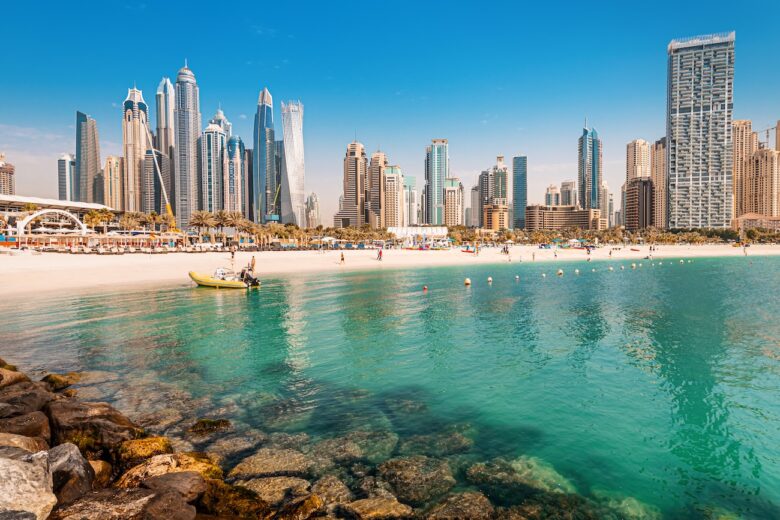
Autumn is one of those underrated seasons in Dubai, and personally, I think it’s a fantastic time to visit, especially if you’re looking for good weather without paying winter prices.
Temperatures usually range between 25°C and 35°C (77°F–95°F), with cooler nights and more manageable humidity. While it can still get hot in the middle of the day, it’s much easier to enjoy the beach, go on short excursions, or head out on a desert safari without feeling overwhelmed by the heat.
Why I Like Visiting Dubai in Autumn
- Fewer tourists compared to winter
- More competitive prices on flights and hotels
- Gradually improving weather, day by day
October is when the city really starts to come back to life after the summer slowdown. Cultural events like the camel racing season begin, and iconic spots such as Dubai Miracle Garden and Global Village reopen after the summer closure.
It’s also one of the best months of the year for sunset desert safaris and shopping without the crowds that dominate the winter season.
Final Thoughts: When Is the Best Time to Visit Dubai?
If I had to break it down simply:
- Best weather and overall experience: November to March
- Fewer crowds and better prices: April, May, and October
- Budget travel with indoor-focused plans: June to September
In the end, the best time to visit Dubai really depends on your heat tolerance, your budget, and the kind of trip you want to have. The good news is that Dubai works year-round, you just need to pick the season that fits your travel style.