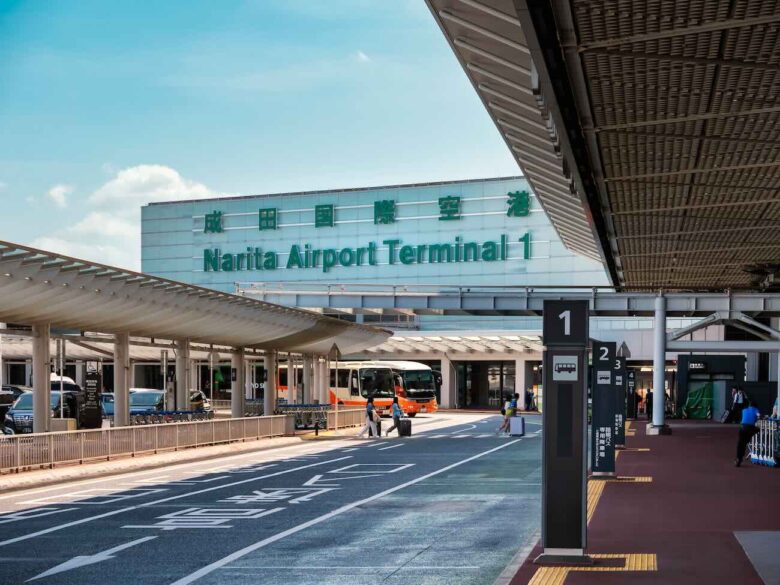
If you’re flying to Japan for the first time, there’s a good chance you’ll land at Narita Airport, the country’s main international gateway. Since it’s where most international visitors arrive, it’s worth knowing the best ways to get from Narita Airport to Tokyo before your trip.
Most international flights to Japan arrive either at Narita Airport, located around 70 kilometers (43 miles) east of Tokyo, or at Haneda Airport, which is much closer to the city at 20 kilometers (12 miles) away.
That said, Narita Airport, in Chiba Prefecture, remains the main hub for long-haul international flights, welcoming millions of travelers from Europe, Asia, North America, and beyond every year.
The biggest drawback is its location. Unlike Haneda, Narita is quite far from central Tokyo, so you’ll need to take a train, bus, or taxi to reach your destination.
Whether you’re staying in Tokyo or continuing your journey elsewhere in Japan, you’ll need to allow for extra travel time after your flight. It’s something many first-time visitors underestimate.
The good news is that getting from Narita Airport to Tokyo is easy and well organized. I’ve tried several transport options over the years, and each one has its own advantages depending on your budget, your luggage, and where you’re staying.
From high-speed trains to budget-friendly buses, there’s a solution for every type of traveler. Choosing the right one can save you both time and money.
How to Get from Narita Airport to Central Tokyo

After almost a full day of flying, you’ve finally landed in Japan. You’re standing inside the huge Narita Airport, probably feeling tired, and asking yourself the same question every first-time visitor does: “What’s the easiest way to get to Tokyo?”
For most travelers, Tokyo is the first stop on their Japan itinerary. Whether you’re heading straight to your hotel, beginning your adventure, or catching another train to a different city, choosing the right transport option makes a big difference.
Before leaving the airport, it’s also worth learning about the JR Pass , a special rail pass available exclusively to international visitors traveling around Japan. You can read detailed information in the official English website
I’ve used the JR Pass on several trips around Japan, and it’s an excellent way to save money if you’re planning to visit multiple cities.
The pass includes unlimited travel on many JR trains, including most Shinkansen bullet trains, for 7, 14, or 21 consecutive days. It’s one of the best-value travel passes available in Japan.
Although you can now buy the JR Pass at selected locations in Japan, I still recommend purchasing it before your trip. It’s usually the easiest option, and depending on where you buy it, it can also be the cheapest.
You can purchase it through authorized sales offices in your home country or online using the links above.
1. Getting from Narita Airport to Central Tokyo by Train
1.1. Narita Express (N’EX) with or without the JR Pass, One of the Best Ways to Travel from Narita Airport to Tokyo
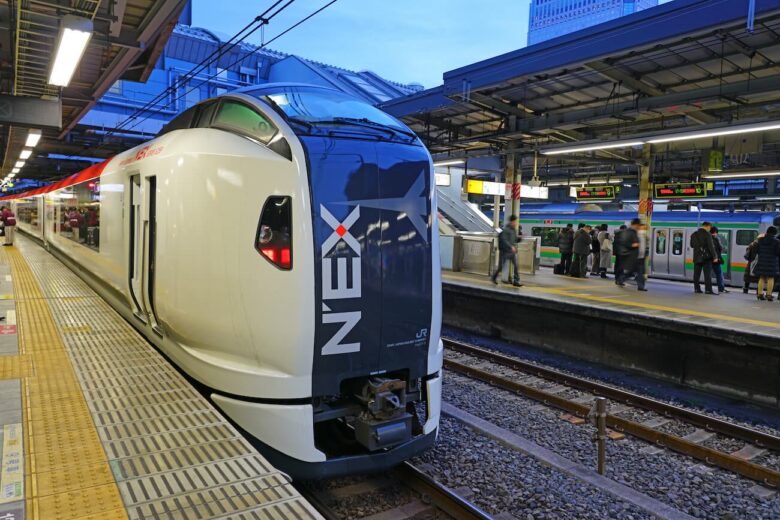
If you’ve already activated your JR Pass, the Narita Express (N’EX) is one of my favorite ways to get from Narita Airport to central Tokyo.
After a long international flight, having a reserved seat, plenty of space for luggage, and a direct journey into the city makes the trip much more comfortable.
One important thing to remember is that seat reservations are mandatory. Even though the train is covered by the JR Pass, you won’t be allowed to board without a reservation. The good news is that it’s quick and easy to book your seat at any JR Ticket Office inside the airport.
Like almost every train in Japan, the Narita Express is incredibly punctual. Depending on your destination, the journey takes between 1 hour 20 minutes and 1 hour 40 minutes.
One of the reasons I recommend this train is that it stops at some of Tokyo’s most convenient stations, including Tokyo Station, Shinagawa Station, Shibuya Station, Shinjuku Station, and Ikebukuro Station. If your hotel is near one of these areas, you may not even need to transfer.
The only drawback is that the last departures leave at around 9:00 pm. If your flight lands late in the evening, you’ll probably need to look at one of the other transport options.
Already have your JR Pass? If not, you can purchase it here: JR Pass
Can You Take the Narita Express Without a JR Pass?
Yes, absolutely. You don’t need a JR Pass to use the Narita Express, although you’ll have to pay the full fare.
If you’re buying tickets, I recommend choosing a round-trip ticket whenever possible. It offers much better value than purchasing two separate one-way tickets. A return ticket costs ¥6,280 (around $39,40), or ¥5,200 with the available discount, provided you use your return journey within 14 days of arriving in Japan.
Children between 6 and 11 years old pay ¥3,120 for a round-trip ticket, or ¥2,600 with the discounted fare.
Buying two separate one-way tickets is noticeably more expensive, with fares starting from around ¥5,200 (approximately $32.64) each way. If you aren’t using a JR Pass, it’s worth comparing the other transport options from Narita, as some are both faster and cheaper.
Where to Buy Narita Express Tickets
Buying tickets is very straightforward. Once you’ve cleared immigration and customs at Narita Airport, simply follow the signs to the JR stations in Terminal 1 or Terminal 2.
You’ll find both ticket machines and JR ticket counters, with clear signs pointing you towards the Narita Express, so it’s difficult to get lost even on your first visit.
If you like planning ahead, it’s also worth checking the official Narita Express website for the latest fares, schedules, and service updates before you travel.
- Price: ¥6,280 round trip (around $39,40) or ¥5,200 with the discounted fare. Children (6–11 years old) pay ¥3,120, or ¥2,600 with the discounted fare.
- Frequency: Every 30 minutes from Narita Airport.
- Travel time: Around 1 hour 20 minutes to Tokyo Station.
- Official website: N’EX Narita aeropuerto-tokio
I’ve taken the Narita Express several times, and I’d say it’s one of the most comfortable and stress-free ways to reach Tokyo. If your JR Pass is already active, it’s an easy recommendation because the journey is fully covered.
On the other hand, if you’re planning to activate your JR Pass a few days later to make the most of it on longer train journeys, I’d personally save it. In that case, there are several more affordable alternatives that will get you into central Tokyo without using the first day of your pass.
1.2. Keisei Skyliner, The Fastest Train and One of the Best Ways to Reach Tokyo with or without the JR Pass
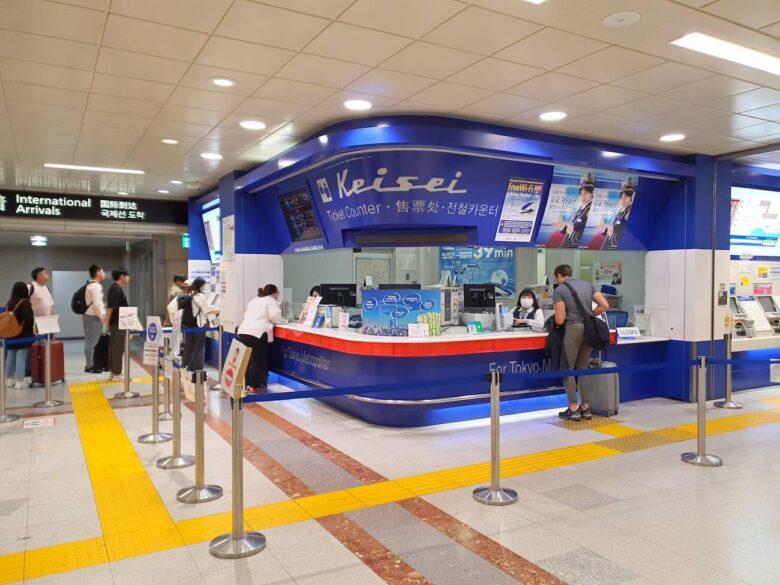
If your main goal is to get into Tokyo as quickly as possible, it’s hard to beat the Keisei Skyliner. It’s fast, comfortable, and gets you into Tokyo in no time.
The journey takes as little as 36 minutes, making it the fastest train from Narita Airport to central Tokyo. Services run until around 11:00 pm, so it’s also a great option if your flight lands later in the day and you don’t want to waste time waiting for the next connection.
The only real downside is that the Keisei Skyliner doesn’t stop at Tokyo Station or Shinjuku Station. Instead, it terminates at Nippori Station and Ueno Station, where you can easily transfer to the city’s rail and subway network.
Personally, I think this train is the best choice if you’re staying in Ueno, Nippori, Asakusa, or nearby neighborhoods. Even if your hotel is elsewhere, it’s easy to continue your journey using the JR Yamanote Line or the Ginza and Hibiya subway lines, both of which connect from Ueno.
One tip I always give is to buy your ticket online before you travel. It’s usually a little cheaper than purchasing it at the airport, and the savings are worth it for such a simple booking.
A one-way ticket purchased at the station costs around ¥2,580 (approximately $16.20), while children between 6 and 11 years old pay ¥1,290.
If you book online in advance, you can often get a one-way ticket for ¥2,310 (around $15.50) or a round-trip ticket for ¥4,500 (approximately $28.25). Discounted children’s fares start from ¥1,150 each way.
One of the things I appreciate most about the Keisei Skyliner is that every seat is reserved.
The trains also offer free onboard Wi-Fi, which is perfect for checking directions, contacting your accommodation, or planning the rest of your day before you even arrive.
- Ticket price at the station: ¥5,160 round trip (around $32.40) or ¥2,580 one way (around $16.20).
- Online price: ¥4,500 round trip (around $28.25) or ¥2,310 one way (around $15.50).
- Frequency: Around 3 trains per hour between 7:30 am and 11:00 pm, departing every 20 to 45 minutes.
- Travel time: 36–45 minutes to Nippori Station and Ueno Station.
- Official website: Keisei Skyliner
Although the Keisei Skyliner isn’t covered by the JR Pass, I still think it offers some of the best value for money when traveling from Narita Airport.
If you’re staying anywhere around Ueno or Asakusa, this is the train I would choose. It’s faster than the Narita Express, usually cheaper, and the reserved seating makes it an easy, hassle-free way to start a trip to Japan.
1.3. Other Keisei Trains, Limited Express and Access Express – The Cheapest Train Options If You’re Not in a Hurry
If you’re looking to save money, don’t overlook the other Keisei trains. Besides the Keisei Skyliner, there are two more services connecting Narita Airport with Tokyo: the Keisei Limited Express (LEX) and the Keisei Access Express.
They’re not as fast as the Skyliner, but they’re considerably cheaper and still get you into the city without too much hassle.
The biggest compromise is comfort. Unlike the Skyliner, seats aren’t reserved, so if you’re traveling during rush hour, you may have to stand for part of the journey.
I wouldn’t mind taking these trains if I were traveling with just a backpack, but after a long-haul flight with a large suitcase, I usually prefer paying a little extra for a guaranteed seat.
Keisei Limited Express (LEX)
The Keisei Limited Express (LEX) is the cheapest train operated by Keisei between Narita Airport and central Tokyo. It’s a regular commuter service that follows the same route as other Keisei trains and stops at both Nippori Station and Ueno Station.
A one-way ticket costs around ¥1,030 (approximately $6.46), making it one of the best budget options if you’re trying to keep travel costs down. Tickets are available from the station ticket machines or counters, but remember that seat reservations aren’t available.
Keisei Access Express
If I had to choose between the two, I’d normally go with the Keisei Access Express . It’s only slightly more expensive, but in my experience, it’s the better balance between price and travel time.
Because it follows a different railway line, it reaches Ueno Station in around 1 hour, making it noticeably quicker than the Limited Express. Another advantage is that it also stops at Higashi-Ginza Station, which is especially convenient if you’re staying around Ginza.
Some services continue beyond Ueno to Shinagawa Station, Shimbashi Station, and Nihombashi Station, giving you even more flexibility depending on where your accommodation is located.
A one-way ticket costs around ¥1,240 (just over $7.78), which I think is well worth the small difference in price.
- Price: From ¥1,030 (around $6.46).
- Frequency: Around 3 trains per hour from Narita Airport.
- Travel time to Ueno: Around 1 hour 6 minutes.
- Travel time to Nippori: Around 1 hour 10 minutes.
- Official website: Keisei Railway
You can check the latest timetables and station stops on the official website. Tickets are available from the Keisei ticket counters and ticket machines in Terminal 1 and Terminal 2, with ticket offices generally open from 7:00 am to 10:30 pm.
I think both services they’re good value for money if you don’t mind sacrificing a little comfort to save a few yen. They may not be as comfortable as the Narita Express or as fast as the Keisei Skyliner, but they’re ideal if you’re traveling on a budget.
One thing I’ve learned after several trips to Tokyo is that the best airport transfer often depends on where you’re staying. Choosing a train that stops close to your hotel can easily save you both time and extra transfers.
1.4. Airport Narita Train (JR Sobu-Yokosuka Line), A Lesser-Known and Budget-Friendly Alternative
The JR Sobu-Yokosuka Line is one of those airport transport options that many first-time visitors don’t even know exists. It’s often overshadowed by the Narita Express and the Keisei Skyliner, mainly because they’re faster and almost as affordable.
Even so, it’s a perfectly good alternative if you’re not in a rush. The journey to Tokyo Station takes around 1 hour 20 minutes, and a one-way ticket costs approximately ¥1,340 (around $8.41).
Operated by JR East, this is a regular commuter train used by thousands of local passengers every day. That means it can become quite busy during peak hours, although if you board at Narita Airport, you’ll usually have no problem finding a seat before the train fills up.
Like most commuter services in Japan, seat reservations aren’t available. If you’re traveling towards the airport from Tokyo, you might have to stand, but I still think it’s a useful option to know about, especially if you prefer staying within the JR network.
The train stops at Chiba Station, Tokyo Station, Shimbashi Station, Shinagawa Station, Kawasaki Station, Yokohama Station, Kamakura Station, and Yokosuka Station, making it a convenient choice for travelers heading beyond central Tokyo.
- Price: Around ¥1,340 (approximately $8.41).
- Frequency: Every 30 minutes from Narita Airport.
- Travel time: Around 1 hour 20 minutes to Tokyo Station.
- Official website: JR East.
Personally, I’d only recommend the Sobu-Yokosuka Line if you’re looking for a low-cost JR option and don’t mind traveling on a commuter train.
For most visitors, I still think the Narita Express or the Keisei Skyliner offers a more comfortable start to a trip. That said, it’s always worth knowing about this service, especially if its route or schedule fits your itinerary better.
2. How to Get from Narita Airport to Tokyo by Bus
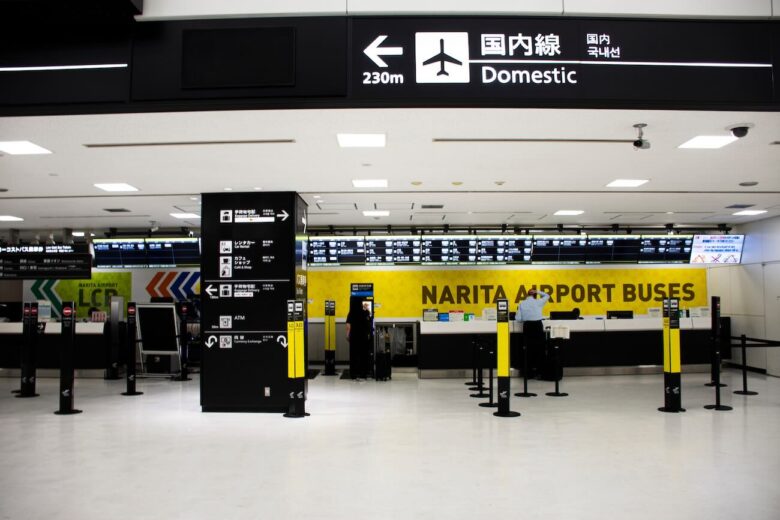
2.1. Keisei Tokyo Shuttle (TYO-NRT), A Budget-Friendly Bus Option
If trains aren’t really your thing, or you’ve landed at Narita airport early in the morning and just want the simplest way into the city, the Keisei Tokio Shuttle is a great alternative.
The bus runs directly to central Tokyo without intermediate stops, and the journey takes around 1 hour 30 minutes, depending on traffic. Once you’re on board, you can simply relax and enjoy the ride instead of worrying about train connections or navigating the station.
The coaches are comfortable, offer free Wi-Fi, and have plenty of luggage space, making them an excellent choice for first-time visitors or anyone traveling with several bags.
A one-way ticket costs from ¥1,500 (around $9.42). You can buy your ticket at the Keisei Bus counters inside the airport terminals as soon as you arrive.
The ticket counters are open from 7:00 am to 10:00 pm. If your flight arrives outside those hours, you can simply pay in cash at the boarding point before getting on the bus.
The first departure is at 6:02 am, while the last bus leaves at 10:25 pm. Services stop at all Narita Airport terminals, so it doesn’t matter which terminal your flight arrives at.
As schedules and fares can change from time to time, I always recommend checking the latest information before you travel. You can find updated timetables on the Keisei Bus website or the official Narita Airport website.
- Price: From ¥1,500 one way (around $9.42).
- Frequency: Every 20 minutes from Narita Airport.
- Travel time: Around 1 hour 30 minutes to central Tokyo.
- Official website: Keisei Tokyo Shuttle (TYO-NRT)
2.2. Airport Limousine Bus, One of the Most Comfortable Ways to Get from Narita Airport to Central Tokyo
If convenience is more important to you than saving a few yen, the Airport Limousine Bus is one of the best airport transfers available.
It’s certainly more expensive than taking the train, but if you’re traveling with large suitcases, young children, or simply don’t want to deal with changing trains, I think the extra cost is well worth it.
One of its biggest advantages is its extensive network. Depending on the route, the buses stop at more than 100 locations across Tokyo, including many of the city’s best-known hotels and major train stations, so there’s a good chance you’ll be dropped just a short walk from your accommodation.
The journey usually takes around 1 hour 30 minutes, although the exact travel time depends on traffic and the number of scheduled stops along the way.
A one-way ticket costs between ¥3,200 (around $20.10) and ¥3,600 (around $22.61). Tickets can be purchased at the Airport Limousine Bus counters located outside the arrivals area in Terminals 1 and 2.
If you’re planning to use Tokyo’s public transport once you arrive, it’s also worth looking at the combined bus and subway tickets, which can offer excellent value depending on your itinerary.
- Price: One-way ticket: ¥3,100–¥3,600 (approximately $20.10–$22.61). Combined bus + subway ticket: Between ¥4,000 (around $35.13) and ¥7,500 (around $47.12).
- Frequency: Around one bus every hour from Narita Airport.
- Travel time: Around 1 hour 30 minutes, depending on traffic and your final stop.
- Official website: Airport Limousine Bus.
Whenever friends ask me which airport transfer I would choose if budget weren’t an issue and I were travelling alone, this is usually my answer.
In a huge city as Tokyo it’s very convenient to step off the bus just a few metres from your hotel rather than having to navigate crowded stations with your luggage. After a long international flight, that extra comfort can make your arrival in Tokyo much more relaxed and enjoyable.
3. Taking a Taxi, The Most Convenient Option (If Your Budget Allows)

After a long flight to Japan, it’s tempting to jump straight into a taxi and head directly to your hotel. I completely understand the appeal after 12 or 13 hours in the air, the last thing you may feel like doing is figuring out train platforms or carrying your luggage through busy stations.
That said, a taxi is by far the most expensive way to get from Narita Airport to central Tokyo. Personally, I’d only consider it if budget isn’t a major concern.
The drive to central Tokyo usually takes around 1 hour, depending on traffic. While that’s similar to the travel time of many trains and buses, the difference in price is substantial.
Expect to pay between ¥27,000 (around $170) and ¥33,000 (around $207) to reach the central districts of Tokyo.
It’s also worth remembering that highway tolls aren’t included in the quoted fare, so the final price can be even higher depending on traffic conditions and your exact destination.
- Price: Between ¥27,000 and ¥33,000 per trip
- Frequency: Available 24 hours a day from Narita Airport
- Travel time: Around 1 hour to central Tokyo
- Official website: Narita-Airport-Taxi
4. Renting a Car
Another option is to rent a car directly at Narita Airport, although it’s not something I usually recommend unless you’re planning a road trip around Japan.
Japan’s public transportation system is so efficient that driving simply isn’t necessary if you’re planning to visit major cities like Tokyo, Kyoto, or Osaka. Trains are generally faster, more convenient, and often less stressful than dealing with traffic, toll roads, and parking.
That said, renting a car can be an excellent choice if your itinerary includes rural villages, national parks, or remote regions where public transport is limited.
Having your own vehicle gives you the freedom to explore at your own pace and reach places that many visitors never get to see.
Tips for Getting from Narita Airport to Tokyo
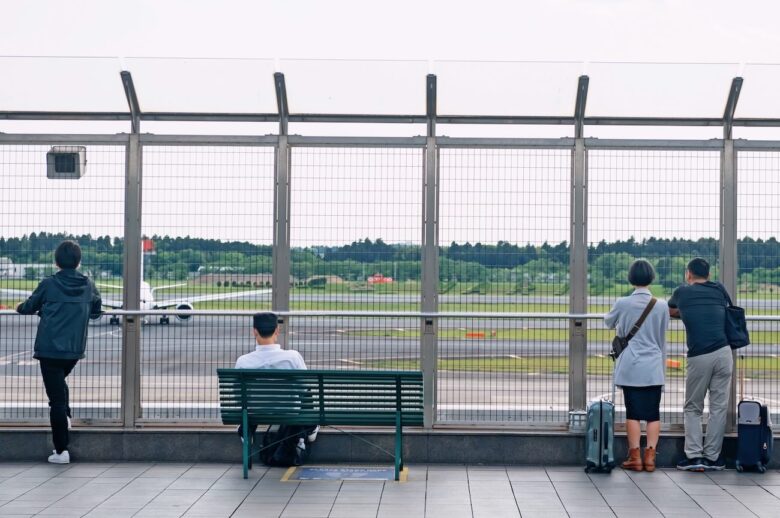
Still can’t decide between the train, bus, or another option? There’s no single “best” way to get from Narita Airport to Tokyo, it really depends on your budget, where you’re staying, and how much luggage you’re carrying.
Here are a few tips that I think will help you choose the option that’s right for your trip.
- Before booking your transport, check how much luggage you’re allowed to bring. Some services offer more generous luggage allowances than others, and it’s always better to know in advance than be caught by surprise at the station or bus stop.
- Whenever possible, book your tickets online. Not only can you often save a few hundred yen, but on services with reserved seating, you’ll also be able to choose the departure time that works best for you and avoid unnecessary queues after landing.
- Keep in mind that Narita Airport has three terminals, all connected by a free shuttle bus that runs approximately every 10 minutes. If your train or bus departs from a different terminal, make sure you leave yourself enough time to transfer.
- Think about where you’re staying before deciding how to get into Tokyo. Some train lines stop much closer to certain neighborhoods, so choosing the right service could save you an extra transfer and make your arrival much easier.
- If you’re not in a rush, don’t automatically choose the fastest train. In many cases, a slower service is considerably cheaper, and the difference in travel time is often only 20 or 30 minutes.
- If your flight lands late at night or very early in the morning, your choices will be more limited. Most trains operate roughly between 7:00 am and 10:00 pm, so outside those hours, buses and taxis are usually your only practical options.
- Whenever you can, choose a service with guaranteed seating. The journey from Narita Airport to areas such as Tokyo Station, Ginza, or Ueno usually takes at least one hour, and after a long international flight, having a seat makes a huge difference.
- If you arrive during Tokyo’s rush hour, be prepared for heavy traffic on the roads into the city. This can make bus journeys longer than expected and increase the cost of a taxi, especially if traffic is particularly busy.
- Renting a car is an excellent option if you’re planning a road trip through rural Japan or want the freedom to explore at your own pace. However, if your itinerary mainly includes cities like Tokyo, Kyoto, or Osaka, I’d personally stick with Japan’s outstanding rail network, which is usually faster, cheaper, and far less stressful.
As you’ve probably realized by now, Narita Airport offers plenty of transport options to reach both Tokyo and destinations across the rest of Japan.
Whether you’re looking for the cheapest train, the fastest airport transfer, or simply the most comfortable way to reach your hotel, there’s an option to suit almost every budget and travel style.
And if you’re still unsure once you arrive, don’t worry. Narita Airport has transport information counters for all the major operators, and in my experience the staff are always helpful. If you’re not sure which ticket to buy or which platform to head to, they’ll happily point you in the right direction.